
Crocus hadriaticus
Crocus hadriaticus
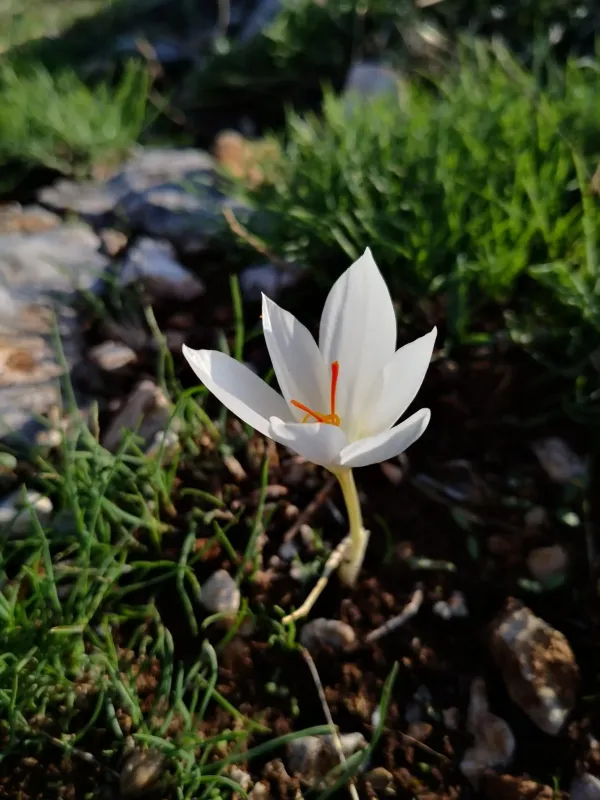
Description
Sowing dates
The planting of Crocus hadriaticus bulbs should be carried out in late summer or early autumn to ensure the bulbs establish roots before the winter chill sets in. This timing aligns with the plant's natural dormancy break.
Bulbs should be planted at a depth of approximately 7 to 10 centimeters, depending on the soil texture. Sandy soils may allow for slightly deeper planting compared to heavy clay soils.
Spacing is a crucial factor for aesthetic impact and plant health; keeping the bulbs 5 to 10 centimeters apart promotes adequate airflow and reduces competition for nutrients.
Choosing a sunny, well-lit location is essential, as this species requires significant solar exposure to thrive and produce its characteristic flowers. Shaded areas often lead to poor bloom quality.
Belonging to the Iridaceae family, this species is native to Greece. As a bulbous perennial, it demands specific site selection to mirror its natural rocky and sunny habitat.
Growing requirements
Crocus hadriaticus thrives in well-drained, gritty, or loamy soil. Moisture retention is beneficial during the growth phase, but the bulbs must remain dry during their summer dormancy to prevent rot.
The plant demonstrates high tolerance to Mediterranean-style dry spells. However, consistent moderate watering during the active growth period ensures a stronger bulb for the next cycle.
Temperature management is key; while the plant is hardy, providing a layer of mulch in colder regions helps maintain consistent soil temperature and prevents frost-heave damage.
Fertilizer application should focus on high-phosphorus and potassium mixes during the onset of the growing season to support floral development and root strength.
Proper aeration is vital for the roots. Incorporating organic matter into the soil ensures better drainage and prevents the soil from compacting over time, allowing for easier root penetration.
Main diseases and pests
Rodents such as voles are the primary threat, as they frequently consume bulbs during the winter. Using wire cages or protective planting baskets is a recommended preventive measure.
Grey mold (Botrytis) is a significant risk in humid or poorly ventilated conditions. Removing infected debris and maintaining adequate spacing helps to minimize the spread of the fungus.
Root mites are known to attack the base of the bulb, causing it to weaken. Soaking bulbs in a fungicide solution prior to planting is an effective strategy for prevention.
Thrips can infest the foliage during warm weather, causing silvery streaks and reduced vigor. Monitoring for these pests and applying systemic insecticides when necessary is advised.
Viral infections can cause mottled leaves and distorted growth. Since these are often transmitted by aphids, controlling aphid populations is essential for maintaining a healthy collection.
Harvesting
Bulb harvesting should occur once the foliage has completely turned yellow and died back, indicating the plant has entered its dormant phase. This typically happens in late spring.
After lifting the bulbs from the soil, they must be cleaned and allowed to dry in a cool, shaded, and airy location. Avoid sun-scorching, which can damage the delicate tissues.
Once dried, inspect the bulbs carefully, discarding any that appear soft or damaged by pests. Proper sorting ensures that only the healthiest stock is saved for future replanting.
Dividing bulb clumps every 3 to 4 years is necessary to prevent overcrowding. Overcrowding can lead to smaller flowers and nutrient depletion, reducing the overall vitality of the stand.
Store cleaned bulbs in perforated containers filled with dry peat or sand to maintain optimal humidity levels until the next planting season begins.