
Crocus graveolens
Crocus graveolens
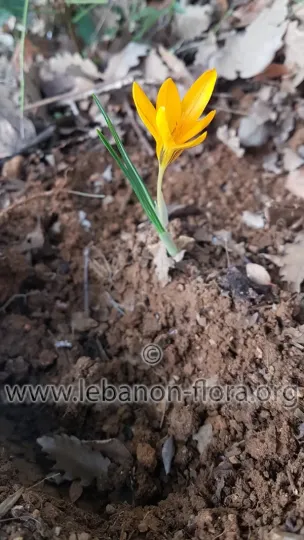
Description
Growing requirements
Crocus graveolens is a perennial cormous plant belonging to the Iridaceae family. This species is native to the rocky and mountainous regions of Turkey and Syria, where it has adapted to Mediterranean-style climatic conditions.
The cultivation of this plant requires well-drained, sandy, or stony soils. Proper drainage is the most critical factor, as stagnant water is the primary cause of corm rot, which can lead to the total loss of the crop.
This species thrives in sunny locations with high light intensity. It is essential to ensure that the site receives full sun for the majority of the day to support the photosynthesis of the leaves and the development of the corm.
Regarding climate, Crocus graveolens requires a warm, dry summer rest period. This drought phase is natural for the plant's life cycle and is necessary for the maturation of the corms before the next growing season.
General maintenance involves minimal fertilization. Over-application of nitrogen-based fertilizers should be avoided as it stimulates excessive foliage growth at the expense of floral quality and corm health.
Main diseases and pests
Fungal diseases, specifically Fusarium wilt and various types of soft rot, are the most frequent threats. These pathogens thrive in poorly ventilated, overly moist soils, particularly during the transition from winter to spring.
Insects like thrips and mites are common pests that feed on the foliage and flower buds, significantly reducing the vigor of the plant. Integrated pest management using compatible insecticides is recommended during the growth stage.
Rodents, particularly voles and mice, are a significant problem as they forage for corms in the soil. Using physical barriers, such as metal mesh baskets during planting, is a highly effective control measure.
Viral infections can manifest as mottled leaves and deformed flowers. These diseases are often spread by aphids, making vector control an essential part of the preventive care strategy for the garden.
Regular sanitation of the planting area is crucial to prevent the buildup of soil-borne pathogens. Removing debris and maintaining proper air circulation around the plants helps to keep the population healthy and productive.