
Goulimy's Crocus
Crocus goulimyi
Description
Growing requirements
Goulimy's Crocus (Crocus goulimyi) is a bulbous perennial plant belonging to the Iridaceae family. Native to the southern regions of Greece, particularly the Peloponnese, it is naturally adapted to Mediterranean climatic conditions, often found in rocky habitats and scrublands.
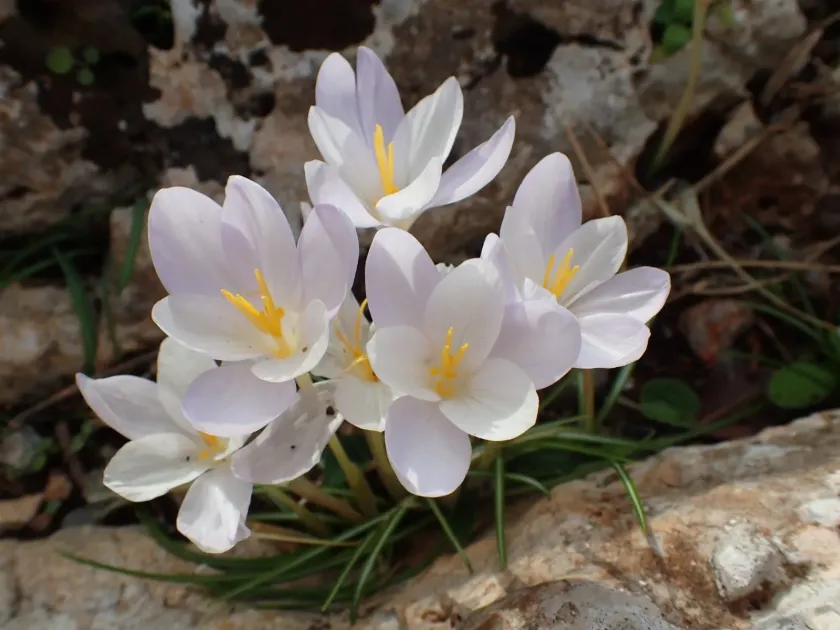
Botanically, this species is distinguished by its delicate, pale lilac-violet flowers, which typically bloom during the autumn months. The leaves are narrow and slender with a distinct white central stripe, providing a clean aesthetic look that persists through the growing season.
The agronomic requirement for this crop centers on excellent drainage, as the bulbs are highly susceptible to rot if kept in waterlogged conditions. Cultivation in well-draining, grit-rich soil is essential to mimic its natural environment and prevent moisture-related stress.
Regarding climate, the plant thrives in areas with sunny exposure and warm, dry summers, which are critical for the dormant cycle of the corms. In temperate zones, it is often grown in pots or specialized alpine houses to protect the delicate bulbs from excessive winter rain and freezing temperatures.
The primary use of this species is ornamental. It is highly valued in rock gardens, gravel beds, and specialized bulb collections due to its ability to bring color to the garden when most other perennials have already entered their dormant state.
Main diseases and pests
The most significant threats to Crocus goulimyi are fungal pathogens, specifically those causing basal rot and corm decay, which flourish in poorly drained soils. Preventing soil saturation during the dormant season is the most effective way to manage these diseases.
In terms of pests, rodents and soil-dwelling larvae can pose a risk by feeding on the corms. Implementing physical barriers during planting or ensuring a clean cultivation site helps minimize the risk of mechanical damage and secondary fungal infections.