
Gargaricus crocus
Crocus gargaricus
Description
Growing requirements
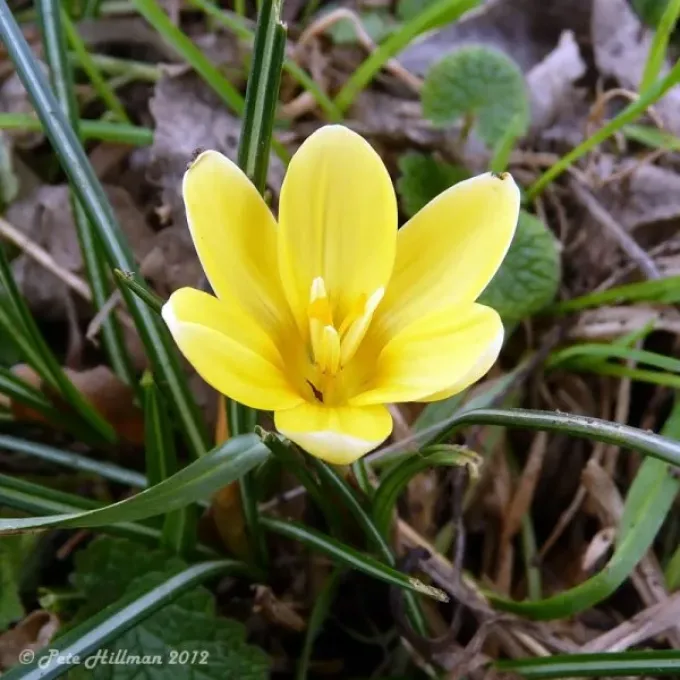
Gargaricus crocus (Crocus gargaricus) is a perennial bulbous plant belonging to the Iridaceae family. Native to the mountainous regions of Turkey, this species is well-adapted to high-altitude environments characterized by rocky soils and significant temperature fluctuations.
The plant is highly valued for its striking golden-orange flowers that emerge in early spring, often pushing through the melting snow. Botanically, the plant features a corm covered in reticulated tunics, which acts as a storage organ for energy during the dormant season.
Successful cultivation requires well-drained, porous soil to prevent moisture accumulation around the corm. Adding grit or coarse sand to the planting site is recommended, especially in heavier loam soils, to ensure optimal drainage and aeration for the root system.
Gargaricus crocus thrives in locations with full exposure to sunlight during its growing season. While it can tolerate partial shade, insufficient light often results in weak growth and reduced flowering frequency. A site with good air circulation is also beneficial for overall plant health.
Propagation is primarily achieved through the separation of cormlets during the dormant period in summer. While seed propagation is possible, it is a slow process requiring patience, as plants grown from seed typically take several years to reach maturity and produce their first blooms.
Main diseases and pests
Fungal diseases are the primary threat to Gargaricus crocus, particularly in areas with poor drainage. Pathogens such as Botrytis and Fusarium can cause rot in the corms, which often remains unnoticed until the plant fails to emerge in the spring.
Pests such as aphids can serve as vectors for viral diseases, leading to stunted growth and mottled foliage. Controlling insect populations through regular monitoring and appropriate horticultural practices is essential to maintain the long-term health of the crocus patch.
Small mammals, including mice and voles, are notorious for consuming the corms during the winter months. Protecting planting areas with hardware cloth or underground wire cages is a standard practice to prevent significant loss of the bulb population.
Proper sanitation, including the removal of dead foliage and debris after the growing season, reduces the overwintering sites for both pests and fungal spores. This simple maintenance step significantly contributes to the prevention of recurrent outbreaks.
Chemical control measures should be applied judiciously, focusing on prophylactic treatments of the corms before planting. Ensuring a dry environment during the dormant season is the most effective biological defense against the development of most fungal pathogens.