
Golden crocus
Crocus flavus
Description
Sowing dates
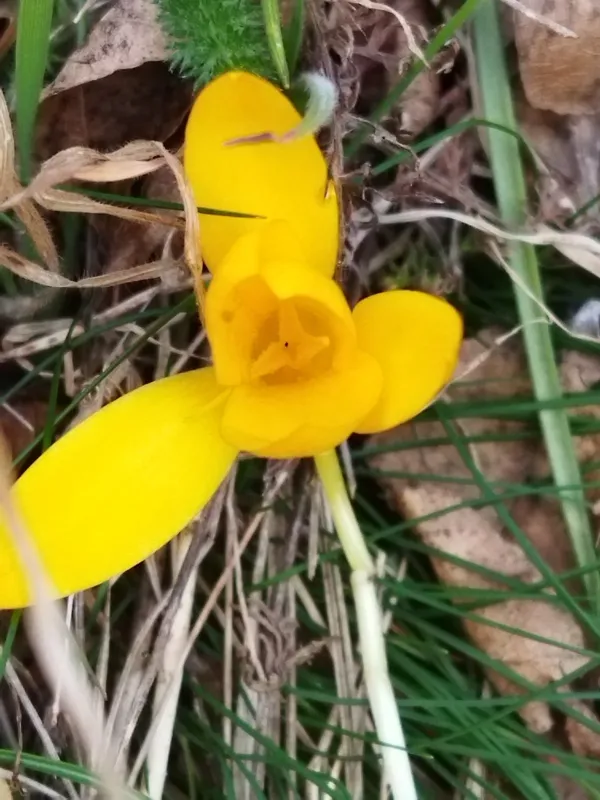
The Golden crocus (Crocus flavus) is a hardy perennial bulbous plant belonging to the Iridaceae family. Native to the Balkan Peninsula and parts of Asia Minor, it is highly valued for its vibrant, golden-yellow spring blooms.
Planting is best performed in early autumn, several weeks before the ground freezes. This allows the corms to establish a strong root system before entering the dormancy period during the coldest winter months.
The ideal planting depth is approximately 7 to 10 centimeters, depending on the corm size and soil structure. In sandy, loose soils, planting slightly deeper provides better protection against extreme temperatures.
Spacing should be managed to allow for proper air circulation and future growth. A distance of 5 to 10 centimeters between corms is recommended, as these plants will naturalize and form dense clumps over time.
When naturalizing in lawns or meadows, it is important to choose areas where the grass is not mowed until the foliage of the crocus has completely withered, allowing the corm to store sufficient energy.
Growing requirements
This species thrives in full sun exposure. While it can tolerate light shade, maximum sunlight is critical for maintaining the intensity of its color and encouraging vigorous flowering in the following season.
Well-drained, fertile soil is a non-negotiable requirement for the Golden crocus. Heavy, waterlogged soils can cause the corms to rot rapidly, especially during the dormant summer phase or wet winters.
Regarding moisture, the plants require moderate hydration during the spring growing season. Once the flowering period is over and the leaves begin to yellow, it is vital to reduce watering to keep the soil relatively dry.
Incorporating organic compost into the soil during planting improves nutrient availability and soil structure. Balanced fertilizers can be applied sparingly to support healthy development without causing soft, weak growth.
The Golden crocus is generally hardy and does not require complex climate control, but it appreciates a layer of mulch in regions with fluctuating winter temperatures to prevent the ground from heaving.
Main diseases and pests
Rodents such as mice and voles are the primary predators of crocus corms. They often tunnel underground to feed on the stored energy reserves of the bulbs, particularly during the winter when other food sources are scarce.
Thrips are common insect pests that target the foliage and flower buds. Infestations can lead to distorted blossoms and unsightly streaks on the petals, significantly reducing the aesthetic value of the planting.
Fungal diseases, including corm rot and various molds, usually appear as a consequence of poor drainage or overcrowded planting conditions. Improving soil aeration is the best way to prevent these issues.
Regular inspection of the corms before planting is necessary to identify signs of decay or damage. Any soft or discolored corms should be discarded immediately to prevent the spread of pathogens to healthy stock.
Maintaining a weed-free environment is important, as weeds compete for nutrients and can harbor pests that may migrate to the crocus plants throughout the growing season.
Harvesting
While Golden crocus can be left undisturbed for many years, dividing the clumps every 3 to 4 years is recommended to ensure the plants remain vigorous and do not exhaust the soil nutrients in a specific spot.
The corms should be harvested (dug up) only after the foliage has turned yellow and withered. At this stage, the plant has successfully moved all nutrients back into the corm, signaling a safe time for intervention.
After harvesting, the corms should be cleaned of soil and debris, sorted, and dried in a well-ventilated, shaded area. This curing process is essential to prepare the bulbs for storage or replanting.
Store the bulbs in a cool, dry, and dark environment until the next planting season. Proper airflow during storage prevents premature sprouting and fungal growth, ensuring high quality for the next cycle.
In terms of usage, the Golden crocus is a staple in rock gardens, borders, and pots. Its early flowering time makes it an essential component of spring landscapes, providing an early source of nectar for pollinators.