
Crocus damascenus
Crocus damascenus
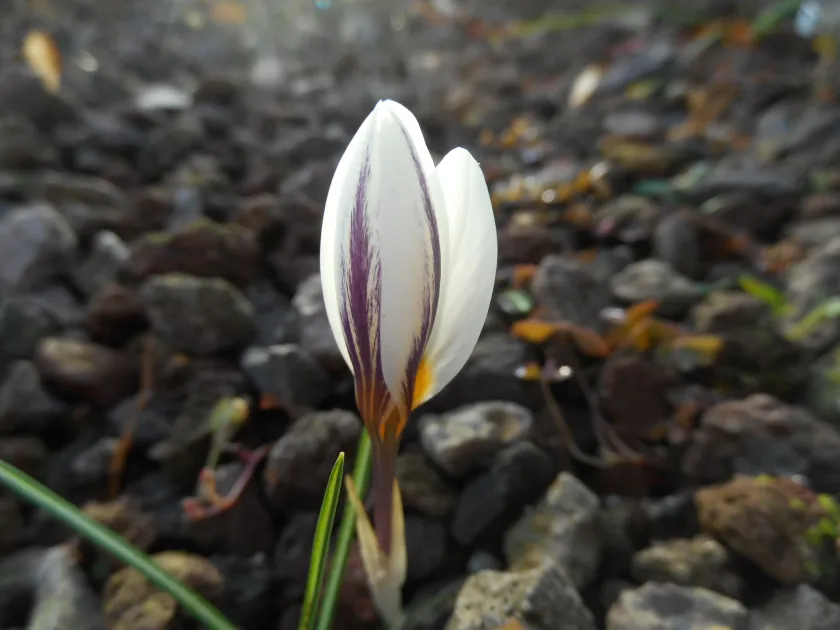
Description
Sowing dates
Planting of Crocus damascenus corms should take place in late summer or early autumn, several weeks before the ground freezes. This timing allows the root system to establish itself effectively before the dormant winter season.
The ideal planting depth is between 7 and 10 centimeters, depending on the specific soil type. In lighter, sandier soils, a slightly deeper planting depth provides better protection against seasonal temperature fluctuations.
Spacing between individual corms should be approximately 5 to 10 centimeters. Adequate spacing is essential to ensure that each bulb has access to necessary nutrients and room to multiply over the coming years.
Select a site with full sun or partial shade, as the species requires sufficient light to thrive and produce healthy blooms. Avoid areas that are prone to prolonged shading, as this can negatively impact flowering.
Mulching the planting area with organic matter such as peat or compost is recommended after sowing. This simple practice helps retain soil moisture and acts as a buffer against rapid soil temperature shifts.
Growing requirements
Crocus damascenus performs best in loose, well-draining soil with a neutral to slightly alkaline pH. Drainage is the most critical factor, as stagnant water is fatal and leads to rot in the corm tissues.
While the species is naturally adapted to dry summer climates, it requires consistent moisture during the active growing phase. Supplemental watering may be necessary if spring rainfall is insufficient.
Soil aeration is vital for the health of the bulbs. If the native soil is too heavy or clay-based, incorporate sand or fine grit into the planting holes to facilitate better water movement and oxygen exchange.
Avoid excessive nitrogen fertilizers, which can stimulate rapid leaf growth at the expense of flower production. Use a balanced, slow-release fertilizer or a specialized bulb food to support steady development.
The species is highly suitable for rock gardens and naturalized areas where the growing environment mimics its native mountainous habitat. Maintaining these specific conditions ensures long-term plant health.
Main diseases and pests
Fungal diseases such as Fusarium wilt and gray mold are the primary threats to the species, particularly in soils with poor drainage. Once established, these infections can cause rapid decay of the bulbs.
Small mammals such as mice and voles find the corms attractive and can cause significant damage to planting sites. Protective measures, including hardware cloth or wire cages, are effective deterrents.
Insects like thrips can damage the foliage and flowers, weakening the overall vigor of the plant. Regular monitoring during the growing season allows for early intervention with appropriate horticultural soaps or insecticides.
Viral infections can manifest as mottled leaves or deformed flowers. Because there is no chemical cure for these viruses, infected individuals must be removed and discarded to prevent further spread.
- Monitor for signs of pest damage during early spring.
- Maintain proper soil hygiene by removing decaying organic debris.
- Use certified healthy corms to start new plantings.
Harvesting
Harvesting or lifting of the corms should occur after the foliage has naturally yellowed and died back. This stage indicates that the plant has stored sufficient energy for the next growing season.
Carefully clean the lifted bulbs of excess soil and dead skin. Dry them in a shaded, well-ventilated area for several days to ensure they are fully cured before long-term storage in a cool, dry environment.
Regular inspection of stored corms is necessary to catch any signs of rotting or fungal growth. Storing them in breathable paper bags or shallow wooden trays helps maintain the required humidity levels.
Divide crowded bulb clumps every 3 to 4 years to rejuvenate the planting. This practice prevents overcrowding and ensures that the species maintains its decorative value and robust blooming cycles.
Properly cured corms are the foundation of a successful planting season. By following these harvest and storage procedures, gardeners can ensure the longevity and productivity of their Crocus damascenus collection.