
Dalmatian Crocus
Crocus dalmaticus
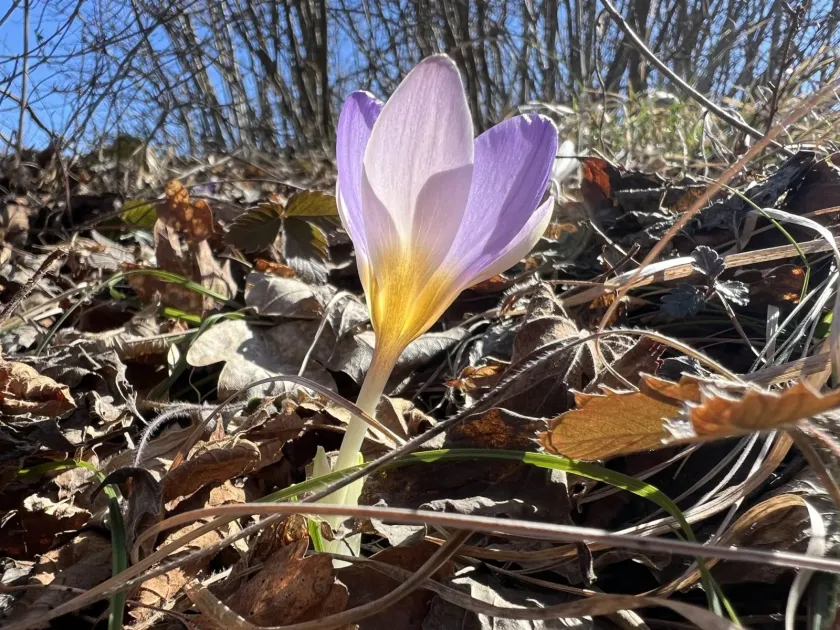
Description
Sowing dates
The Dalmatian Crocus (Crocus dalmaticus) is a member of the Iridaceae family, known for its early blooming cycle. In most climates, the ideal time for planting bulbs is in late summer or early autumn, typically spanning from late August to September.
Successful establishment requires the bulbs to be planted at least 4-6 weeks before the onset of the first hard frost. This window allows the root system to develop sufficiently, ensuring the plant is prepared for winter dormancy and early spring growth.
The recommended planting depth is between 7 and 10 centimeters, depending on the soil texture. In lighter, sandy soils, deeper planting is preferred to insulate the bulbs from fluctuating temperatures, while in denser soils, a slightly shallower depth may be used.
Spacing between bulbs should be kept at 5-8 centimeters to ensure optimal airflow and to prevent competition for nutrients. Planting in clusters or groups is recommended to achieve a natural, aesthetic appearance during the flowering season.
After planting, a light layer of mulch can be applied to protect the soil surface. This is particularly beneficial in regions with colder winters, as it maintains soil moisture and guards against the heave caused by repeated freeze-thaw cycles.
Growing requirements
Native to the rocky habitats of Dalmatia, this species is highly adapted to well-drained, porous environments. The primary requirement for successful cultivation is excellent drainage, as the bulbs are highly susceptible to rot if left in waterlogged soil.
Dalmatian Crocus thrives in full sun or light, dappled shade. It is ideally suited for rock gardens, gravel beds, or the front edges of perennial borders where it can receive the necessary sunlight during its spring growth phase.
The soil should be neutral to slightly alkaline, with a gritty or sandy structure. If the soil in your garden is heavy or clay-like, it is essential to amend it with coarse sand or horticultural grit to ensure that moisture does not accumulate around the bulbs.
During the spring growing season, the plant requires consistent but moderate moisture to support its rapid development. However, during the summer dormancy period, it is crucial that the soil remains dry, mimicking the arid Mediterranean summer conditions.
Fertilization should be kept light, with a focus on phosphorus and potassium to encourage robust root growth and floral displays. Nitrogen should be used sparingly, as excessive amounts can lead to lush leaf growth at the expense of flower production.
Main diseases and pests
Soil-borne pests such as wireworms and white grubs pose a significant risk, as they feed on the bulb tissues. Regular monitoring and maintaining soil health are effective strategies for reducing the presence of these subsurface pests.
Fungal diseases like grey mould and fusarium wilt are common, particularly when soil moisture is poorly managed. These infections manifest as soft rot on the bulbs or stunted, discoloured leaves, requiring the immediate removal of affected plants.
Small rodents, such as mice and voles, can cause extensive damage by consuming bulbs during the dormant season. Protecting planting sites with hardware cloth or specialized bulb cages is the most reliable way to prevent such losses.
Slugs and snails can be problematic, especially in early spring when they feed on emerging shoots. Keeping the area free of debris and using environmentally safe pest control methods can significantly reduce the impact of these molluscs.
Viral diseases can occasionally affect the stock, characterized by distorted growth or mottling patterns on petals and foliage. There is no cure for these viruses, so infected specimens must be dug up and disposed of immediately to protect the remaining collection.