
Crocus crewei
Crocus crewei
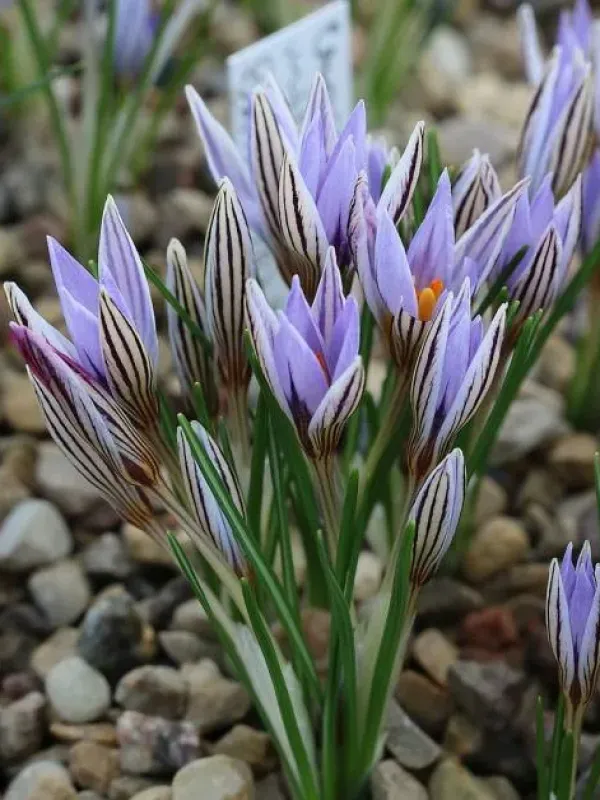
Description
Growing requirements
Crocus crewei is a perennial cormous plant belonging to the Iridaceae family. This species originates from the Mediterranean region, primarily Greece, which dictates its preference for well-defined seasonal cycles with distinct dry and moist periods.
The plant requires full sun exposure to thrive and produce its delicate blooms. It is highly intolerant of shade, which can lead to stunted growth and failure to reproduce effectively in garden settings.
Soil requirements for this species are specific: it necessitates well-drained, porous soil with a neutral to slightly alkaline pH. Heavy clay soils that retain water must be amended with grit or sand to prevent bulb rot.
The cultivation of this crocus depends heavily on managing moisture levels. During the active growth period, consistent moisture is beneficial, whereas the summer dormancy phase requires dry soil conditions to mimic the natural environment.
When selecting a site, gardeners should ensure the terrain has excellent natural drainage. This plant is best suited for rock gardens, sunny borders, or specialized alpine collections where soil management is easier to control.
Main diseases and pests
The primary threat to the health of Crocus crewei is fungal infection, particularly soft rot and Fusarium wilt, which are exacerbated by damp, poorly drained conditions. Proper drainage is the most effective preventative measure.
Rodents such as mice and voles are known to forage on the nutritious corms. Installing underground wire mesh barriers is a common and recommended method for protecting bulbs from these persistent pests.
Thrips can infest the foliage, causing yellowing and distortion. Periodic inspection of the plants is advised, followed by the application of organic or systemic insecticides if pest populations exceed a manageable threshold.
Viral infections may occasionally manifest as color breaks or mottling on the flowers. As there is no cure for viral diseases, affected plants should be immediately removed and destroyed to prevent spreading to healthy corms.
Sanitation practices are essential for long-term cultivation. Removing debris, maintaining proper spacing to ensure airflow, and treating bulbs before planting are fundamental steps in minimizing the risk of outbreaks.