
Belamcanda
Belamcanda
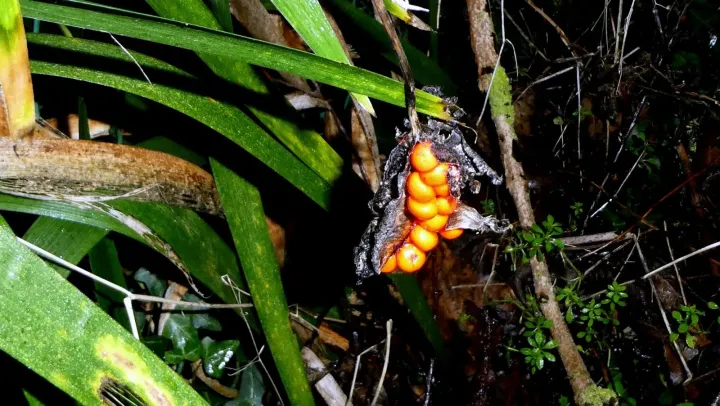
Description
Sowing dates
Belamcanda chinensis, commonly known as the Blackberry Lily, is a member of the Iridaceae family. Propagation is primarily done through seeds, which should be sown in late winter or early spring in a greenhouse or indoor seed trays to ensure a head start on the growing season.
The seeds require a period of cold stratification for about 30 days to break dormancy and improve germination rates. They should be sown in a well-draining soil mix, covered lightly with vermiculite or soil, and kept at a stable temperature of approximately 20-22 degrees Celsius.
Once the seedlings develop two or three true leaves, they can be pricked out and transplanted into individual pots. Hardening off the plants is a crucial step before moving them to their permanent outdoor location once all danger of frost has passed.
When transplanting into the garden, spacing should be set at 30-40 centimeters apart. This spacing allows for proper air circulation, which is essential to prevent the accumulation of moisture around the foliage and stems.
The plants are generally long-lived and dislike frequent disturbance. Therefore, choosing a permanent site in the garden where the plant can remain undisturbed for many years is highly recommended for best growth results.
Growing requirements
Belamcanda thrives in fertile, well-draining soil with a neutral to slightly alkaline pH level. While it can adapt to various soil types, the primary requirement is that the soil does not hold excess water, as wet feet will cause the rootstock to rot.
Full sun is essential for optimal performance, as the plant needs sufficient light to produce its characteristic vibrant flowers. Growing it in partial shade may lead to leggy, weak stems that require mechanical support and reduced blooming.
Watering should be managed consistently during the growing season. The soil should remain moist but never waterlogged. Once established, the plant shows moderate drought tolerance, although performance is better when moisture is provided during hot, dry spells.
In terms of fertilization, a balanced granular fertilizer applied in early spring as new growth begins is usually sufficient. Over-fertilizing with nitrogen should be avoided, as it encourages excessive leafy growth at the expense of floral displays.
Winter hardiness varies depending on the region. In colder climates, covering the crown with organic mulch such as dry straw, leaves, or pine needles provides a necessary insulating layer against deep soil freezing.
Main diseases and pests
Root rot is the most significant threat to Belamcanda, especially in areas with poor drainage or heavy clay soils. This fungal issue typically manifests as a sudden collapse of the plant, accompanied by a mushy, discolored base near the soil line.
Foliar diseases, including various types of leaf spot, can occur during periods of high humidity and poor ventilation. Keeping the planting site clean by removing debris and ensuring good airflow is the most effective preventative measure.
Common pests like aphids and thrips can occasionally infest the flower buds and tender young leaves. These pests are easily managed with gentle insecticidal soaps or neem oil applications if detected early during regular garden inspections.
Slugs and snails can be a nuisance for young seedlings in the spring. Implementing physical barriers like crushed eggshells or copper tape, or using organic snail bait, can effectively protect the plants during their most vulnerable growth stages.
Overall, maintaining the plant's vigor through proper cultural practices is the best defense against pests and diseases. Healthy plants that receive adequate light and have well-draining soil are far more resilient than those grown in suboptimal conditions.
Harvesting
In traditional practices, the rhizomes of Belamcanda are harvested for medicinal purposes, often containing compounds used in herbal remedies. Harvesting occurs in the autumn, once the plant has finished flowering and the foliage begins to wither.
The rhizomes are carefully dug out from the soil, washed to remove all debris, and trimmed of any fine root hairs. They are then sliced into smaller sections to ensure even and rapid drying in a climate-controlled environment.
Drying should be performed at temperatures between 40-50 degrees Celsius in a shaded, airy spot to prevent the degradation of active chemical components. High heat or direct sunlight can destroy the medicinal efficacy of the harvested material.
Once fully dried and brittle, the material should be stored in airtight containers or paper bags away from light and moisture. Proper storage maintains the shelf life and quality of the rhizomes for up to two years.
Seed harvesting is also a common practice. Collectors wait until the fruit capsules open to reveal the shiny, blackberry-like seeds. These seeds are then collected, cleaned of debris, and stored in a cool, dry place for future planting.