
Aristea spiralis
Aristea spiralis
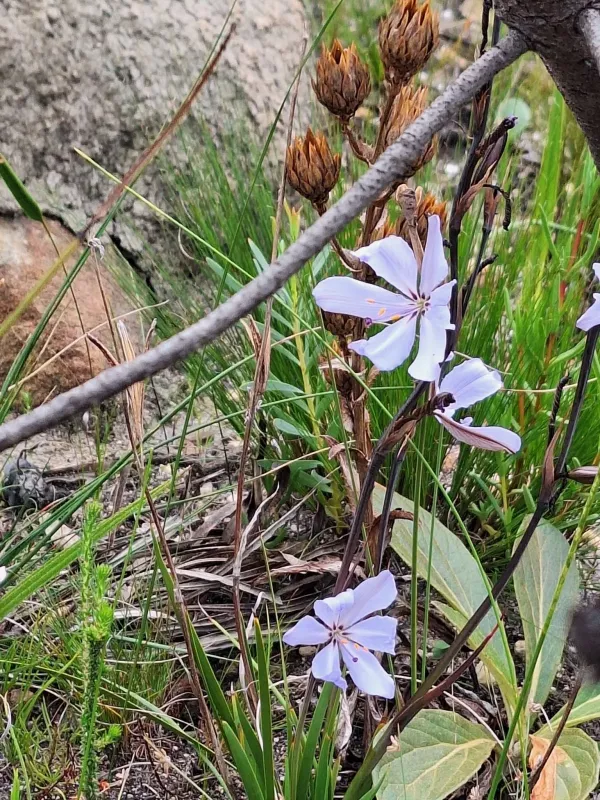
Description
Sowing dates
Aristea spiralis is typically propagated through seeds or by dividing established clumps during the dormant season. Sowing seeds in early spring ensures a longer growing period for the young plants to establish.
The seeds should be sown in a well-draining, sandy loam medium. Covering them lightly with soil is sufficient, as they require some light exposure for germination.
Maintaining consistent moisture levels is critical until the seedlings appear. Once established, the plants are relatively resilient but still benefit from regular hydration during the first year.
For vegetative propagation, carefully lifting the plant and separating the rhizome clumps allows for immediate expansion of your planting area.
Spacing between plants should be sufficient to allow for airflow, which reduces the risk of fungal issues as the plants reach maturity.
Growing requirements
Aristea spiralis is a member of the Iridaceae family, originating from the diverse floral regions of South Africa. It is prized for its unique foliage and distinct flowering habits.
This species thrives in full sun and requires a Mediterranean-style climate. In areas with cold winters, cultivation in pots is recommended for mobility and protection.
Soil composition must prioritize drainage; a mixture of sand and peat or dedicated succulent potting mix works best to prevent water stagnation around the roots.
Watering should be rhythmic: abundant during the active spring and summer growth phase, and significantly reduced during the cooler, dormant autumn and winter months.
While the plant is quite hardy in its native habitat, it requires protection from hard frosts and extreme moisture in indoor or greenhouse settings.
Main diseases and pests
Root rot is the most common threat to Aristea spiralis, almost exclusively caused by overwatering or poor drainage systems in containers.
Pests such as spider mites and mealybugs can target the plant, especially when it is kept in low-ventilation indoor environments during the winter.
Implementing regular monitoring helps identify infestations early, allowing for mechanical removal or targeted treatment with neem oil or mild insecticidal soap.
Fungal leaf spots can occur if foliage remains wet for extended periods, making it essential to water at the base of the plant rather than overhead.
Maintaining a clean growing area by removing debris prevents the accumulation of pests and diseases that could weaken the plant's overall vitality.