
Aristea ecklonii
Aristea ecklonii
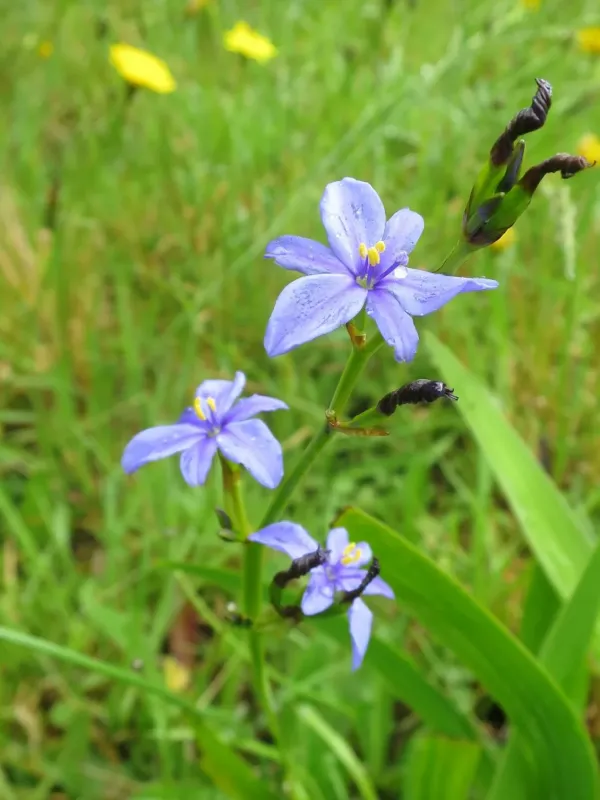
Description
Sowing dates
Aristea ecklonii is typically propagated through seeds sown in early spring or by dividing established clumps during the dormant season after flowering.
Seeds require a well-draining, peat-based seed-starting mix and should be kept in a warm environment with consistent moisture to ensure high germination rates.
When dividing the plant, ensure that each segment contains a healthy portion of the rootstock to promote rapid establishment in the new location.
Seedlings should be hardened off gradually before being transitioned to outdoor environments to prevent transplant shock in fluctuating weather conditions.
Proper spacing is essential when planting out to allow for sufficient air circulation, which prevents the development of fungal infections in the foliage.
Growing requirements
Native to Southern Africa, Aristea ecklonii belongs to the Iridaceae family and is highly prized for its intense blue, star-shaped flowers.
The plant thrives in fertile, slightly acidic, and well-draining soils that mimic its natural habitat in moist, open woodlands or mountain grasslands.
It prefers full sun to light shade; however, in particularly hot climates, midday sun protection is recommended to preserve the leaf color and quality.
Consistent moisture is key to the plant's health, as it is not drought-tolerant and requires regular watering throughout the growing season.
In colder regions, Aristea ecklonii should be grown in containers that can be moved indoors during winter, as it is sensitive to frost and freezing temperatures.
Main diseases and pests
The most significant threats to Aristea ecklonii include root rot and leaf spot diseases, which are usually triggered by poor drainage or excessive humidity.
Preventing these issues requires careful site selection and the use of organic amendments to improve the soil structure and drainage capacity.
Pests like aphids and spider mites can occasionally affect the foliage, especially when the plant is stressed by heat or irregular watering cycles.
Sanitation is vital in the management of this crop; remove faded flower spikes and damaged leaves to reduce the risk of pathogen buildup in the plant crown.
Integrated pest management, including the use of neem oil or insecticidal soaps, is effective for controlling minor infestations without harming beneficial insects.