
Aristea africana
Aristea africana
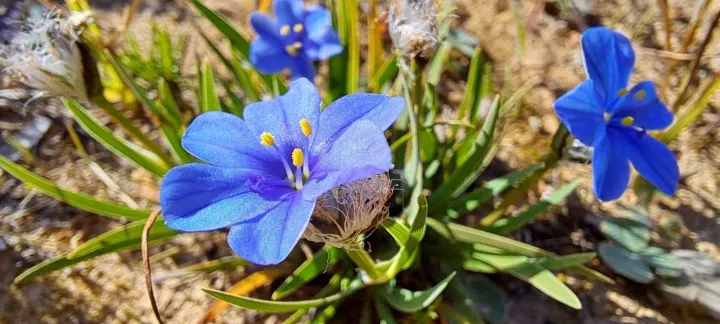
Description
Sowing dates
Sowing of Aristea africana seeds is best performed in early spring when environmental temperatures reach 15 to 18 degrees Celsius. Using a well-draining seed-starting mix is critical to prevent seedling damping-off.
Seeds should be covered lightly with substrate, ensuring a depth of about 0.5 to 1 centimeter. Providing constant humidity and protection from direct sunlight during the germination phase is highly recommended.
Germination can be somewhat slow and irregular, so keeping the soil consistently moist but not waterlogged is essential. Utilizing a greenhouse or a warm indoor windowsill provides the best start for young plants.
Once the seedlings develop at least two or three true leaves, they should be carefully transplanted into individual pots or a prepared garden bed. Careful handling of the root system is necessary to avoid transplant shock.
Acclimatizing the young plants to outside conditions is a necessary step that should take place over the course of several days before final planting in the landscape.
Growing requirements
Aristea africana thrives in locations with full sun to partial shade, where it can receive enough light to promote vigorous growth and deep blue coloration of its flowers. Adequate spacing is required to ensure proper air circulation.
The soil should be sandy or loamy and possess excellent drainage capabilities, as the plant is highly susceptible to root rot. If heavy soils exist, amending them with organic matter and grit is advisable.
Watering should be balanced; while the plant enjoys moisture during the active growing season, it requires a drier environment during its dormant stage. Over-watering is the primary cause of failure in this species.
Fertilization with a balanced, slow-release fertilizer at the start of the growing season is sufficient to support healthy foliage and flower development. Avoid excessive nitrogen which encourages leaves at the expense of blossoms.
As a South African native, this plant is not frost-hardy in colder zones and should be treated as a container specimen that is moved indoors during the winter months.
Main diseases and pests
Spider mites are the most common pests encountered, especially in indoor environments where air circulation is limited and humidity is low. Regular misting and pest-control soaps can help mitigate infestations.
Root rot, caused by various fungal pathogens like Phytophthora or Pythium, occurs when drainage is inadequate or watering is too frequent. Maintaining a strict irrigation schedule is the best preventative measure.
Aphids can occasionally colonize new flower spikes, sucking sap and weakening the plant. Physical removal or the application of horticultural oils is usually effective in managing these outbreaks.
Fungal leaf spot can develop if foliage remains wet for extended periods, especially in shaded garden spots. It is important to water at the base of the plant rather than overhead.
Poor ventilation during storage in the winter can lead to mold growth on the crowns of the plants. Checking regularly and removing any decaying foliage is essential for survival.