
Gymea lily
Doryanthes excelsa Corrêa
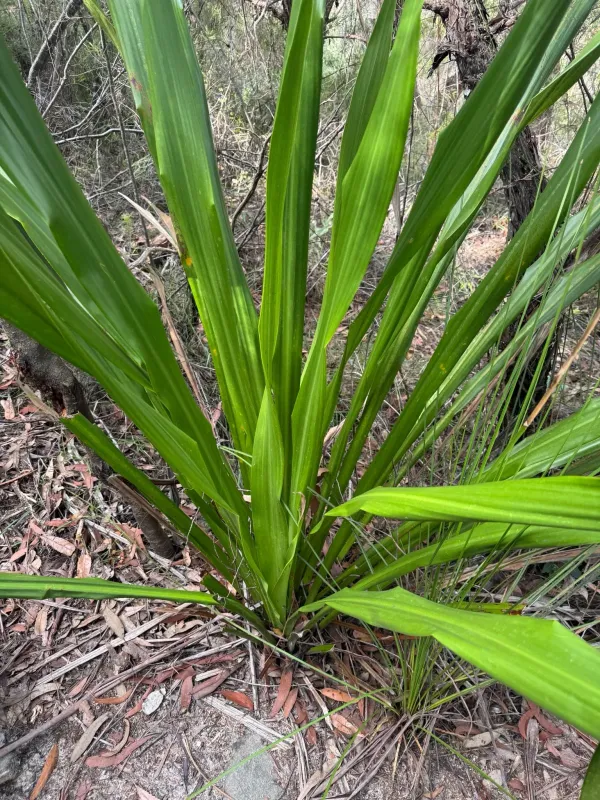
Description
Growing requirements
The Gymea lily (Doryanthes excelsa) is a spectacular perennial member of the Asphodelaceae family, native to the coastal regions of New South Wales, Australia. It is highly valued for its massive, sword-like foliage and dramatic red flower heads.
To thrive, this plant requires a well-draining soil mix that prevents water accumulation around its crown. Sandy or gritty soils are preferred, as they mimic the natural rock-slope environment where the species grows in its native habitat.
Light requirements are significant; the plant needs bright, indirect sunlight to maintain its structural integrity and encourage flowering. While it can tolerate partial shade, insufficient light often results in weak, drooping leaves and a lack of blooms.
Temperature management is critical as this species is not frost-hardy. In temperate climates, it is typically grown in large pots that can be moved indoors during colder months, ensuring the plant remains protected from freezing temperatures.
Watering practices should follow a cycle of thorough soaking followed by a drying period. During the active growth phase, keep the soil moist but never waterlogged, as the plant's succulent nature makes it highly susceptible to root decay from overwatering.
Main diseases and pests
Root rot is the most common and dangerous condition affecting Gymea lilies. It is usually caused by excessive watering or poor soil drainage, which encourages fungal pathogens to attack the root system, eventually leading to the death of the plant.
Common indoor and greenhouse pests include mealybugs and spider mites. These small insects tend to thrive in dry conditions, hiding between the thick, fleshy leaves and sapping the plant's vitality, which can stunt growth if left untreated.
Physical damage to the leaves can also invite infections. Cuts or bruises on the foliage provide entry points for bacteria and fungi. Always use sanitized tools when pruning or handling the leaves to maintain the plant's natural disease resistance.
Environmental stress, such as sudden changes in light or temperature, can trigger leaf browning. While not a disease per se, this physiological response weakens the plant and makes it more susceptible to secondary attacks from pests or pathogens.
Effective pest management relies on early detection and biological or mild chemical controls. Regularly inspect the base of the leaves and the underside of the foliage to catch infestations early before they become difficult to manage.