
Campelia zanonia
Campelia zanonia
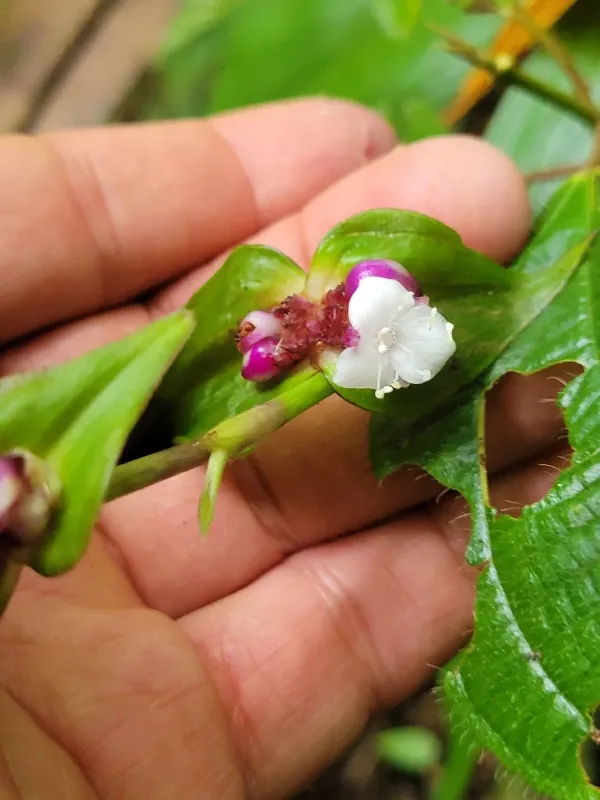
Description
Growing requirements
Campelia zanonia is a perennial herbaceous plant belonging to the Commelinaceae family. Native to the tropical regions of Central and South America, it thrives in environments characterized by high humidity and filtered light. Botanically, it is known for its robust, upright stems and lance-shaped, glossy leaves that form a striking architectural display.
Climate requirements for this plant are strictly tropical, necessitating stable temperatures between 20°C and 25°C. Exposure to sudden temperature drops or cold drafts will likely cause stress and leaf drop. Consequently, it is primarily managed as a greenhouse or indoor ornamental plant in temperate zones.
The plant demands a well-draining, nutrient-rich soil medium to support its vigorous growth. A mix containing peat, perlite, and organic compost is ideal for maintaining the necessary moisture levels while preventing compaction. Proper drainage is non-negotiable to avoid root suffocation in a waterlogged environment.
Light management is a critical aspect of Campelia cultivation. While it appreciates bright conditions, it must be protected from direct, scorching sun rays, which can damage the delicate foliage. Consistent bright, indirect light ensures the plant maintains its vibrant color and sturdy stem structure.
Watering frequency should be adjusted to keep the soil consistently moist but never waterlogged. During warmer months, increased air humidity is essential; regular misting or the use of humidifiers will significantly improve the overall health and visual appeal of the plant's leaves.
Main diseases and pests
The most common pests affecting Campelia zanonia are spider mites, scale insects, and mealybugs. These pests frequently target the plant in dry indoor environments. Integrated pest management, including regular inspection and the use of insecticidal soaps, is highly recommended to mitigate these issues.
Diseases are typically associated with improper cultural practices, specifically overwatering leading to root rot. If the roots remain saturated for extended periods, fungal pathogens thrive, compromising the vascular integrity of the plant. Ensuring adequate drainage and soil aeration is the best preventive strategy.