
Obregonia denegrii
Obregonia denegrii
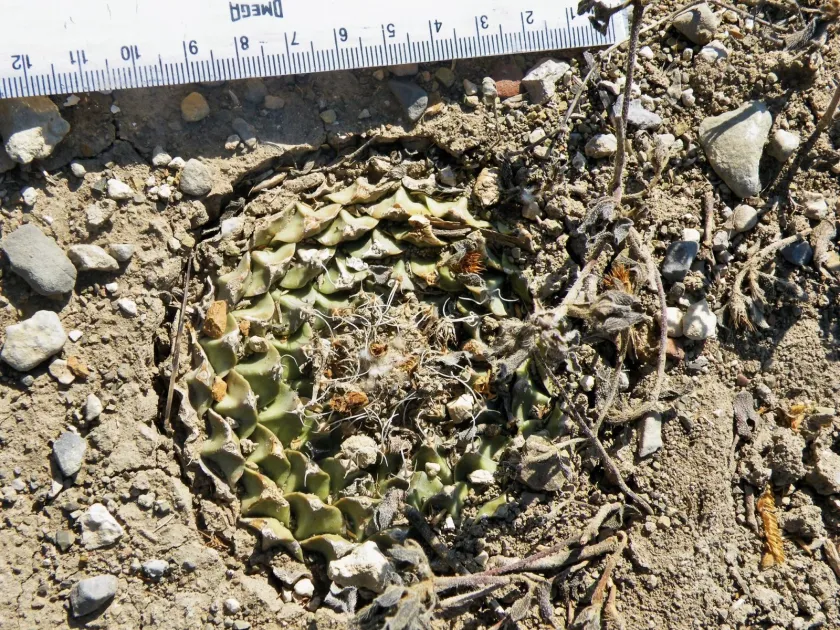
Description
Sowing dates
Propagating Obregonia denegrii is typically done through seeds. Sowing should take place in spring to capitalize on the increasing daylight hours, which are vital for the healthy development of young seedlings.
Use a sterile, well-draining substrate composed primarily of sand, grit, and perlite. Proper sterilization of the soil is essential to prevent damping-off, a fungal disease that is particularly lethal to young cactus seedlings.
Seeds should be sown on the surface of the moist substrate without being deeply buried. Covering the container with glass or plastic helps maintain the humidity levels necessary for germination at temperatures of 22-25 °C.
Once germination occurs, remove the cover gradually to allow the seedlings to acclimatize to lower humidity. This process prevents the development of excessive moisture-related pathogens.
Transplanting (pricking out) should be performed only when the seedlings are strong enough, usually after several months. Being a slow-growing species, patience is a key requirement during this early growth stage.
Growing requirements
Native to the dry limestone hills of Tamaulipas, Mexico, Obregonia denegrii demands an environment that mimics its natural habitat. It thrives in a highly mineral-based soil mixture with excellent drainage properties.
The pot must have substantial drainage holes. A mix consisting of pumice, lava rock, and coarse sand is ideal, as it prevents the accumulation of moisture around the root neck, which is a critical point for rotting.
This species is highly light-demanding. While it appreciates full sun, it should be protected from intense scorching afternoon heat during peak summer months to maintain its vibrant green color and health.
A winter dormant period is crucial. Keep the plant in a cool, dry place between 8 °C and 12 °C. During this time, all watering must be suspended, allowing the plant to enter a resting state essential for long-term health.
Watering during the growing season should be infrequent and only when the substrate is entirely dry. The use of soft water is recommended to avoid lime buildup that can aesthetically affect the unique artichoke-shaped tubercles.
Main diseases and pests
Root rot is the most significant threat to Obregonia denegrii. It is almost exclusively caused by overwatering or soil that remains damp for too long, necessitating strict adherence to dry-down periods between watering.
Mealybugs are common pests that find refuge in the deep grooves between the plant's tubercles. They feed on plant sap and can severely weaken the cactus if not managed through manual removal or insecticide application.
Spider mites are another concern, particularly in environments with poor airflow and low humidity. They can cause scarring on the epidermis, which, while usually non-lethal, significantly diminishes the plant's visual appeal.
Preventative care involves regular inspections and maintaining good air circulation. If a pest infestation is detected, treat the plant promptly with systemic insecticides appropriate for succulents.
Fungal pathogens can also infect the plant through small wounds. Keeping the base of the plant clean and dry, combined with the occasional use of copper-based fungicides, serves as an effective defense strategy.