
Notocactus werdermannianus
Notocactus werdermannianus
Description
Sowing dates
Propagation of Notocactus werdermannianus is primarily achieved through seeds during the spring, typically from March to May. Seeds should be sown in a well-draining, loose substrate composed of sand and peat.
To ensure high germination rates, maintain a temperature of approximately 20–25 degrees Celsius and high humidity under a glass or plastic cover until seedlings emerge.
Once seedlings appear, it is essential to gradually acclimatize them to lower humidity by ventilating the container daily, preventing damping-off disease.
Transplanting seedlings into individual pots is recommended once they reach the size of a pea, ensuring that the pots have proper drainage holes and a suitable succulent substrate.
Young plants require more consistent moisture than mature specimens, though one must remain careful to avoid overwatering to prevent root rot in developing seedlings.
Growing requirements
Notocactus werdermannianus belongs to the Cactaceae family and is native to South America, specifically inhabiting regions within Uruguay and Brazil.
The culture requires bright, intense light for optimal growth; however, it should be protected from direct, scorching midday sun during the height of summer to prevent epidermal burns.
The ideal temperature range is 22–28 degrees Celsius during the growing season, while a winter dormant period with temperatures between 10–12 degrees is crucial for successful flower bud formation.
The soil must be slightly acidic, airy, and water-permeable. A mixture of turf soil, leaf compost, and coarse sand is ideal, often supplemented with charcoal to enhance drainage.
Watering should be moderate, allowing the soil to dry out completely between sessions. During winter, watering must be significantly reduced or stopped entirely to protect the cactus from decay.
Yield
The economic and practical use of Notocactus werdermannianus is strictly ornamental, making it a highly desirable species for cactus collectors and greenhouse enthusiasts.
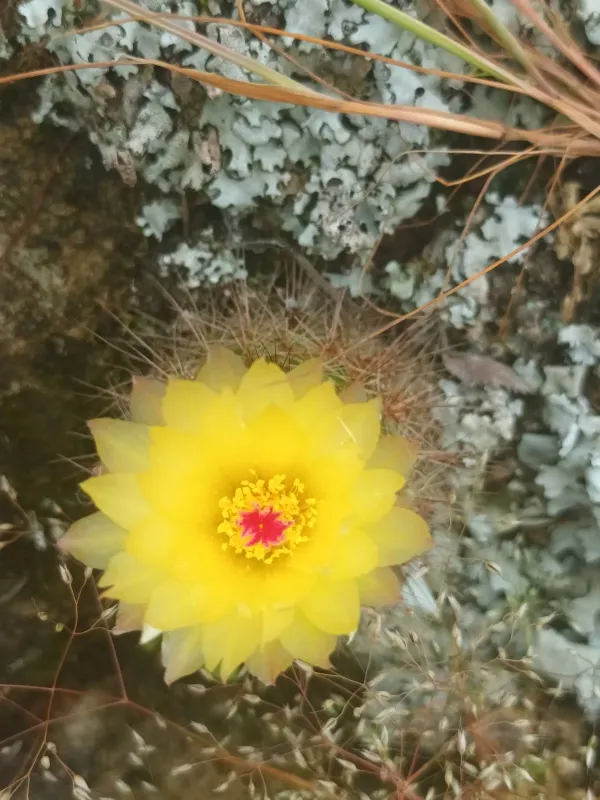
The plant is prized for its large, vibrant yellow flowers, which typically emerge from the apex of the stem once the cactus has reached a sufficient level of maturity.
Floral display success depends heavily on adhering to the annual cycle of growth and rest, particularly providing enough light and cool conditions during the winter months.
It serves as an excellent candidate for desert-themed container arrangements or indoor rock gardens, where its distinct rib structure provides aesthetic appeal.
Using specialized low-nitrogen fertilizers designed for succulents helps maintain overall health and vigor throughout the spring and summer active growth phases.
Main diseases and pests
The most significant threats to Notocactus werdermannianus include fungal pathogens triggered by poor drainage, excessive soil moisture, and poor air circulation, which often cause base rot.
Pests such as spider mites, which thrive in low-humidity environments, and mealybugs, which hide between the ribs of the cactus, are common challenges for growers.
Managing these threats involves the use of systemic insecticides for pests and the immediate removal of rotting tissue followed by fungicide application for fungal issues.
Proactive care, including routine inspections of the root crown and strict monitoring of watering schedules, is the most effective way to ensure a long-lasting healthy specimen.
- Strict irrigation management.
- Ensuring adequate soil drainage.
- Regular ventilation of the growing area.
- Isolation of new plants before introducing them to the collection.