
Notocactus vanvlietii
Notocactus vanvlietii
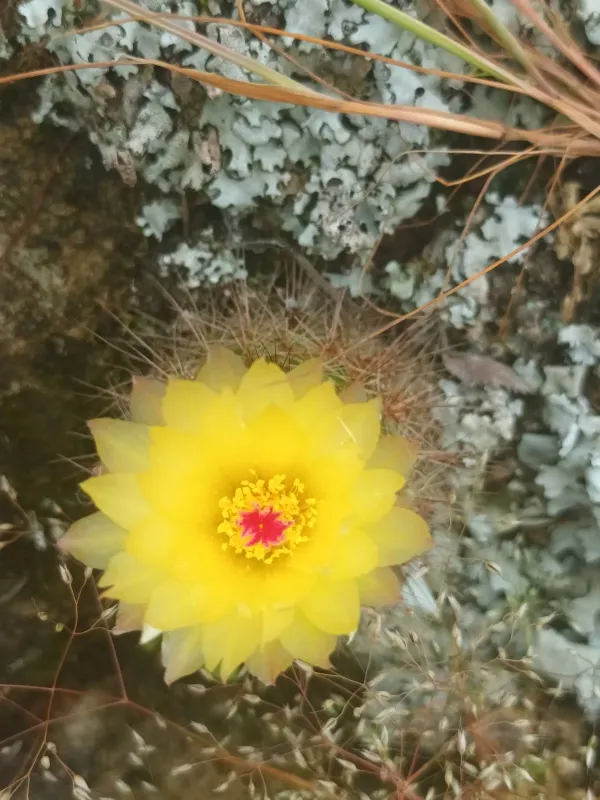
Description
Growing requirements
Notocactus vanvlietii is a member of the Cactaceae family, native to the diverse landscapes of South America, specifically Uruguay. This plant is categorized as a globular succulent, valued for its aesthetic appeal and relatively straightforward care requirements in controlled agricultural or hobbyist settings.
The plant requires bright, filtered sunlight to thrive. While it is adapted to high light intensity, prolonged exposure to harsh afternoon sun can lead to tissue damage. Indoors, placing the plant near a southern window with sheer curtains provides the necessary light intensity without risking thermal burns on the succulent stem.
Soil quality is paramount for the health of Notocactus vanvlietii. It requires a highly porous, gritty substrate that ensures rapid water drainage. A standard mix for this species involves a base of sandy loam combined with mineral components such as perlite, pumice, or fine gravel to prevent moisture stagnation.
Watering practices should follow the plant's seasonal cycle. During the growing season, deep but infrequent watering is recommended, allowing the soil to dry out completely between applications. During winter dormancy, watering should be minimized or suspended to encourage the plant to rest, which is essential for future blooming.
Botanically, the species is defined by its rounded morphology and well-defined ribs densely packed with stiff spines. The plant develops large, funnel-shaped yellow flowers at the crown during the spring and early summer, provided it has been subjected to appropriate temperature drops during the winter rest period.
Main diseases and pests
The most common pests affecting this cactus are spider mites and mealybugs. These organisms typically hide within the crevices of the spines. Infestations should be managed immediately with appropriate acaricides or neem oil applications to prevent significant physiological stress to the plant.
Root rot is the most common physiological threat, often caused by overwatering or soil that remains saturated for extended periods. To prevent this, ensure excellent air circulation and strictly monitor moisture levels, especially during lower-temperature months when the plant's metabolic activity slows down.