
Notocactus tabularis
Notocactus tabularis
Description
Sowing dates
Propagation of Notocactus tabularis is typically performed through seeds or by rooting offsets. Seeds should be sown in early spring into a sterile, well-draining substrate composed of equal parts fine sand and peat to ensure optimal moisture retention without waterlogging.
Maintaining a temperature range of 22-25 degrees Celsius is crucial for consistent germination. Sowing containers must be kept covered to create a greenhouse effect, while daily ventilation prevents the formation of harmful fungi during the delicate seedling stage.
Pricking out the seedlings occurs once the first spines are fully developed, requiring a transition to slightly drier conditions to strengthen the young plants. Overcrowding in seed trays must be avoided to ensure each plant receives adequate light and airflow.
Vegetative propagation via offsets requires careful handling; the cut end must dry for several days to form a callus. This process prevents soft rot when the offset is placed into the planting medium for rooting.
Applying a rooting hormone can accelerate the development of the root system for offsets, ensuring a higher survival rate during the establishment phase. Proper timing during the spring growth flush is essential for success.
Growing requirements
Notocactus tabularis is a member of the Cactaceae family, originating from the rocky landscapes of South America. It thrives in locations with bright, indirect sunlight, though it requires protection from intense midday sun to prevent epidermis scorching.
The ideal soil for this species must be highly porous and slightly acidic to mimic its natural habitat. A standard cactus mix fortified with coarse grit, perlite, or pumice is recommended to maintain the necessary structural stability and drainage.
Watering requires a conservative approach: let the substrate dry out completely between waterings. During the winter dormancy period, the plant must be kept cool (10-12 degrees Celsius) and dry to encourage vibrant flowering in the subsequent season.
Drainage is the single most critical factor for the longevity of this cactus; a thick layer of pebbles at the bottom of the pot is essential. Avoiding standing water in the drainage tray prevents the roots from suffocation and bacterial attack.
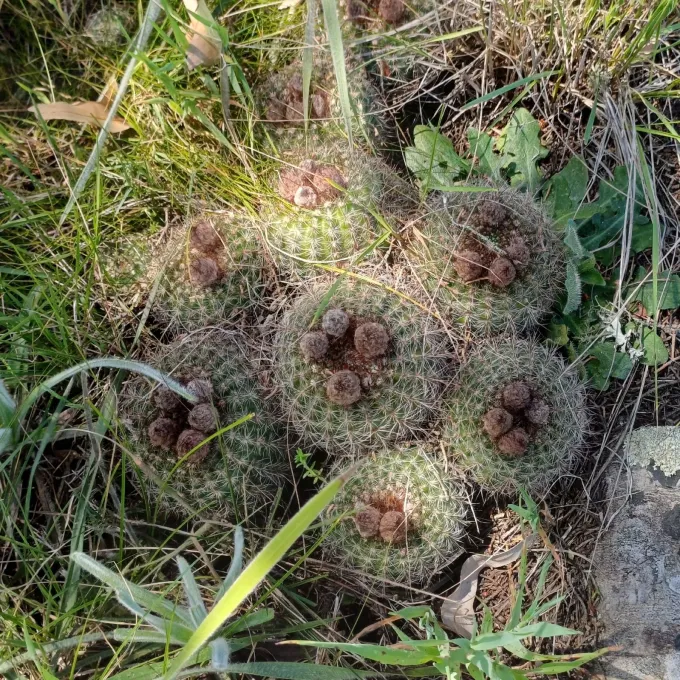
Morphologically, the plant presents a globular shape with prominent ribs adorned with stiff, dense spines. As it reaches maturity, it produces large, striking yellow funnel-shaped flowers from its apex, provided it receives sufficient light and a winter rest.
Main diseases and pests
Common pests affecting this cactus include spider mites and mealybugs, which tend to congregate in the areoles or at the base of the stem. Systemic insecticides are the most effective way to manage these populations before they cause significant damage.
Root rot, often caused by overwatering or poorly draining soil, remains the most lethal threat to Notocactus tabularis. If rot is suspected, immediate unpotting and removal of decayed tissue followed by repotting in fresh substrate is mandatory.
Root mealybugs can silently destroy the root system, leading to stunted growth. Checking for white powdery deposits on the roots during routine repotting cycles is an essential diagnostic practice for any grower.
Fungal pathogens often appear in high-humidity environments with poor ventilation. Ensuring constant air movement around the plant is a fundamental preventive measure against leaf spot and other fungal diseases.
Maintaining cleanliness in the growing area, including the removal of dead organic matter, helps minimize the presence of pests. Preventive sprays twice a year are recommended to keep the cactus collection healthy and vigorous.