
Notocactus succineus
Notocactus succineus
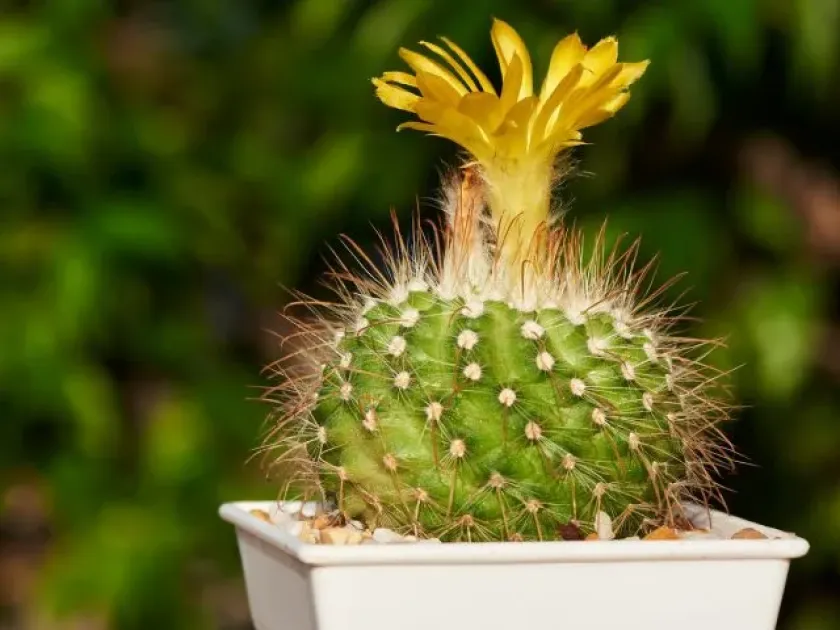
Description
Sowing dates
Propagating Notocactus succineus is primarily achieved through seeds. Sowing should be conducted during the spring using a light, well-draining mixture specifically formulated for cacti, consisting of sand and fine peat.
Successful germination requires a stable temperature range between 20 and 25 degrees Celsius. It is crucial to maintain consistent moderate moisture levels while ensuring the seedlings are not waterlogged, which can cause early mortality.
Seedlings typically emerge within two to four weeks. During the initial growth phase, they should be kept in a protected environment with diffused light and good airflow to prevent fungal issues.
Pricking out the seedlings into individual containers is performed once they are robust enough to handle the stress of transplanting. Gentle handling is required to protect the delicate and developing root systems.
Mature plants should be repotted annually at the start of the growing season. This practice ensures that the soil nutrients are refreshed and allows the grower to inspect the root system for potential health issues.
Growing requirements
Notocactus succineus is a light-demanding species belonging to the Cactaceae family. In its native habitat, it grows in rocky terrain, necessitating high levels of sunlight to maintain a compact and healthy body structure.
The substrate must be porous and inorganic to mirror natural growing conditions. Adding coarse gravel or pumice to the soil mixture improves drainage, which is the most critical factor in preventing root damage.
Watering should follow a strict schedule where the substrate is allowed to dry out completely between applications. During the winter dormancy phase, watering should be reduced to a minimum to ensure the plant rests effectively.
The optimal summer temperature ranges from 22 to 30 degrees Celsius. Conversely, a winter cooling period with temperatures between 8 and 12 degrees Celsius is essential for the plant to set flower buds successfully.
Good ventilation is vital for all cacti species. Proper air circulation helps prevent the accumulation of humidity around the base of the plant, significantly reducing the risk of fungal infections and physiological rot.
Main diseases and pests
Red spider mites are the most common pests affecting this species, particularly when ambient humidity is too low. They feed on the plant surface, leaving telltale scars and reducing the overall vitality of the cactus.
Mealybugs are another common nuisance, often hiding in the crevices between the ribs of the plant. Systemic insecticides or topical applications of isopropyl alcohol are effective methods for managing infestations.
Root rot is the most destructive condition, often triggered by overwatering and poor soil drainage. It is a progressive disease that quickly compromises the plant's health, making early detection and intervention critical.
Preventative care is centered on strict irrigation control and the use of sterile, well-draining soil mixtures. Keeping the plant dry during colder months significantly minimizes the risk of rot development.
Using hard water with high salt content can lead to mineral buildup in the root zone. Over time, this damage hinders the plant's ability to absorb water, leaving it susceptible to opportunistic secondary pathogens.