
Notocactus submammulosus
Notocactus submammulosus
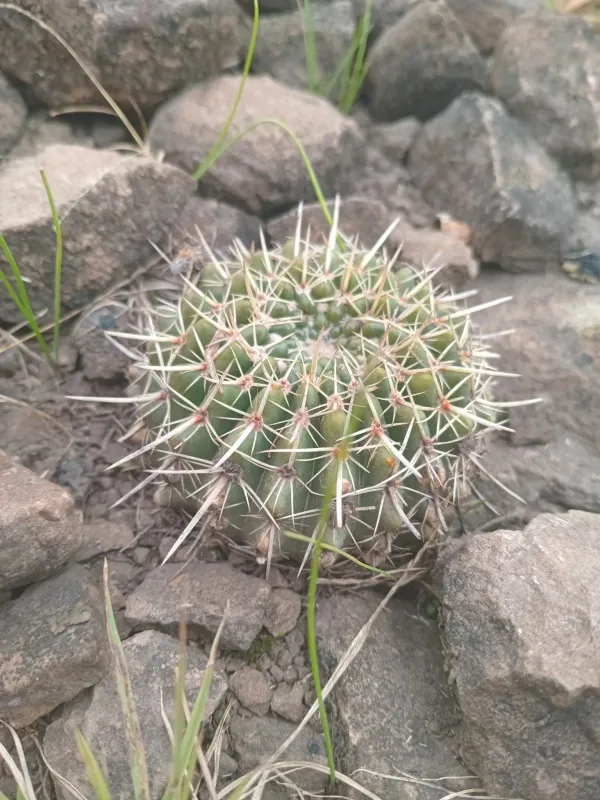
Description
Sowing dates
Propagation is primarily achieved through seeds sown in early spring to coincide with increasing daylight hours. The seeds require a sterile, sandy substrate to prevent damping-off diseases common in cacti seedlings.
Seeds should be thinly spread on the surface and pressed lightly into the soil. Covering the tray with clear plastic or glass is necessary to maintain a constant humidity level and a temperature range of 22–25 degrees Celsius.
Once germination begins, the surface should be kept moist but never waterlogged. Gradually introducing fresh air is crucial to harden the seedlings and prevent the formation of surface mold in the germination tray.
Pricking out the young plants into individual pots should occur once they develop their first set of thorns. Using a well-draining soil mix during this transplanting phase is essential for root health.
Vegetative propagation using offsets is also possible. The offsets should be allowed to callous over for a few days before being placed in dry substrate, which encourages rapid and safe root development.
Growing requirements
Notocactus submammulosus is a member of the Cactaceae family, native to the open, rocky grasslands of Uruguay and Brazil. It is characterized by its distinct, ribbed spherical body and vibrant flowering habit.
Optimal growth requires bright, indirect sunlight, though the plant can tolerate direct morning sun. In peak summer heat, slight shading is recommended to protect the green epidermal layers from scorching.
The growing medium must be highly porous. A mixture of standard potting soil, coarse grit, and perlite ensures that water drains quickly, mimicking the natural, well-aerated soil conditions of its native habitat.
Watering practices should follow a cycle: water thoroughly during the active growing season, then allow the soil to dry out completely before the next irrigation. Never allow the roots to sit in stagnant water.
A winter dormant period is mandatory for blooming. Keeping the plant in a cool, bright location with temperatures around 10–12 degrees Celsius and withholding all water will prepare the plant for spring flowering.
Main diseases and pests
Root rot, caused by overwatering or poor drainage, remains the most significant threat to this species. Once the root system is compromised, the cactus body becomes soft and is often beyond recovery.
Spider mites are a common pest, particularly in dry, indoor environments. They pierce the epidermis to feed on plant sap, leaving behind unsightly discolored patches that can ruin the plant's aesthetic appearance.
Mealybugs are another persistent pest that hides deep within the rib folds and between the thorns. They are characterized by a waxy, cotton-like substance and require manual removal or targeted insecticide application.
To prevent disease, ensuring adequate air circulation around the plants is as important as light and moisture levels. Poor ventilation often leads to fungal infections that manifest as black or brown spots on the skin.
Routine inspection of the cactus base is a recommended agronomical practice. If pests are detected, immediate isolation and treatment with systematic insecticide or alcohol-based cleaning agents are necessary to prevent infestation spreading.