
Notocactus scopa
Notocactus scopa
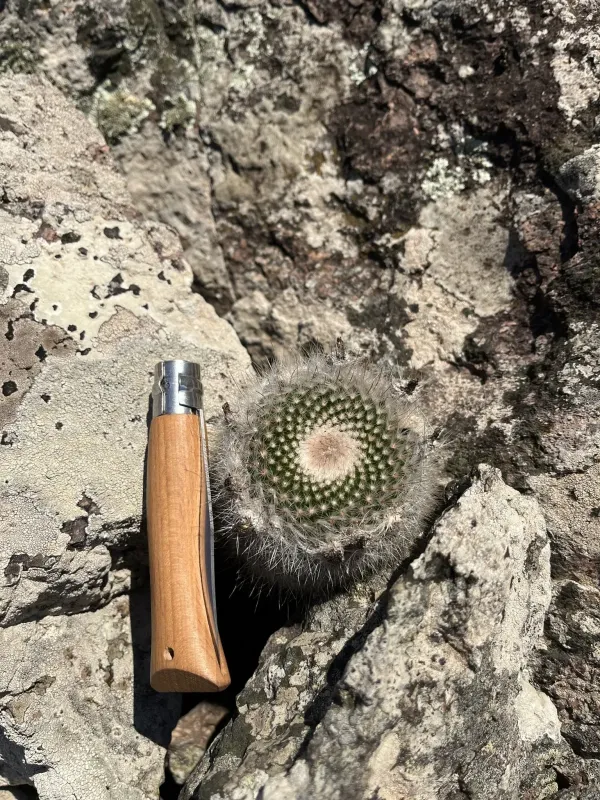
Description
Sowing dates
The reproduction of Notocactus scopa is predominantly conducted through seed propagation, which ensures genetic diversity and healthy plant development.
Seeds are best sown during the early spring when temperatures become consistently warm, facilitating high germination rates and robust seedling growth.
A sterilized, porous substrate is critical for success, typically consisting of fine sand, perlite, and a small amount of peat to provide necessary initial nutrients.
Containers should be kept covered with plastic or glass to maintain a stable humidity level, placed in a bright, warm environment away from direct, harsh sunlight.
As seedlings grow, they require careful monitoring of moisture levels, gradually acclimatizing them to normal atmospheric humidity once they have established spines.
Growing requirements
Notocactus scopa belongs to the Cactaceae family and is native to the rocky, well-drained habitats of Uruguay and southern Brazil.
The plant thrives in bright, filtered light and requires a well-ventilated space to simulate its natural environment and prevent fungal growth.
Soil composition must be inorganic-heavy, focusing on gravelly and sandy mixtures that prevent moisture retention and promote oxygen exchange at the roots.
During the growing season, watering should be thorough but infrequent, allowing the substrate to dry out completely before the next irrigation cycle.
Winter dormancy is essential, requiring a dry, cool environment (around 10 degrees Celsius) to trigger the plant's natural flowering cycle in the following season.
Main diseases and pests
Root rot is the most devastating disease for Notocactus scopa, almost always caused by overwatering or poor drainage systems in the potting medium.
Common pests like spider mites and mealybugs frequently infest the dense white spines of this species, requiring persistent observation and treatment.
Fungal infections can appear as brown or black lesions on the epidermis, often triggered by poor air circulation or excessive moisture in the growing room.
If caught early, pests can be controlled with organic soaps or specialized systemic insecticides, though prevention remains the most effective strategy.
Cultural stress, caused by moving the plant frequently or sudden changes in light levels, can also weaken the plant's resistance to typical greenhouse pathogens.