
Notocactus ottonis
Notocactus ottonis
Description
Sowing dates
Propagating Notocactus ottonis via seeds is a standard method used by breeders and collectors. Seeds should be sown in early spring to utilize the increasing light levels, which are vital for the germination of cacti seedlings.
The ideal substrate for sowing is a sterile, well-draining mixture consisting of fine sand and a small amount of peat or pumice. Keeping the environment sterile is essential to prevent fungal damping-off.
The temperature must be maintained consistently between +22 and +25 degrees Celsius. Humidity should remain high during the germination phase, typically achieved by covering the tray with a clear film or plastic lid.
Once the seedlings develop their first set of spines, the cover should be removed gradually to acclimatize them. Watering must be done carefully, ideally from the bottom or using a very fine mister to avoid uprooting the tiny plants.
Vegetative propagation is also possible through offsets, which grow at the base of the main stem. These should be allowed to callous for a few days before being planted in a dry, sandy medium to initiate root development.
Growing requirements
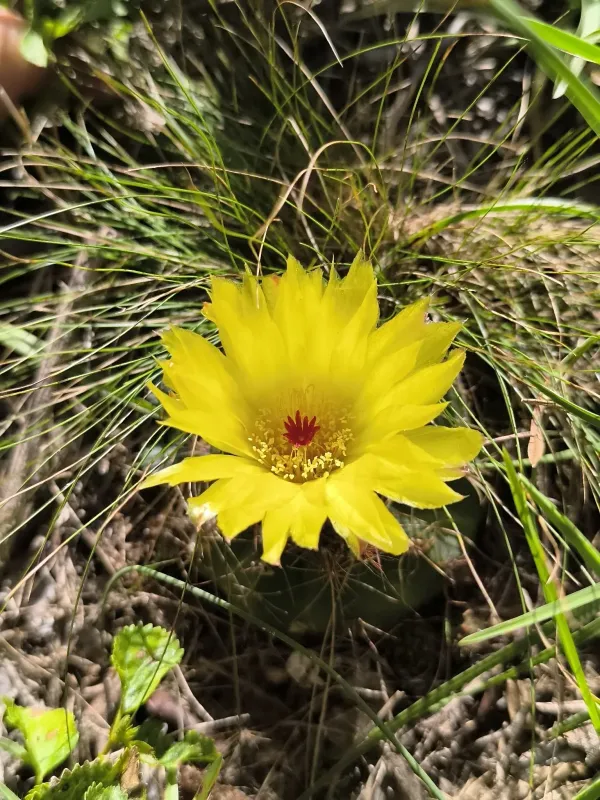
Notocactus ottonis belongs to the Cactaceae family and is a popular ornamental succulent. It features a spherical to cylindrical stem with defined ribs and vibrant yellow or reddish flowers that bloom during the warmer months.
Native to South America, specifically parts of Uruguay, Brazil, and Argentina, the plant thrives in arid, rocky environments. It is adapted to periods of intense sun and sporadic rainfall, necessitating specific care at home.
Light requirements are significant; this cactus requires bright, direct sunlight for several hours a day. Without adequate light, the plant will become etiolated, losing its characteristic spherical shape and structural integrity.
The soil must be porous and inorganic-leaning. A commercial cactus mix amended with perlite or coarse grit is ideal to ensure that water drains rapidly and that roots are exposed to sufficient oxygen.
Managing the winter dormancy period is crucial for the health of Notocactus ottonis. The plant should be moved to a cool, dry place with temperatures around +10 degrees Celsius and receive almost no water throughout the winter.
Main diseases and pests
Spider mites represent a major threat, particularly in hot, dry environments. They cause unsightly scars on the cactus skin by extracting cell sap, which can weaken the plant and make it vulnerable to secondary infections.
Root rot, triggered by overwatering or poor drainage, is the most common cause of plant mortality. Once the roots and the base of the stem begin to decay, it is often difficult to save the plant through rescue surgery.
Mealybugs can infest the areoles of the cactus, appearing as white, cotton-like masses. They must be addressed immediately using systemic insecticides or by manually removing them with an alcohol-dipped swab.
Good air circulation is the best preventative measure against pests and fungal growth. Avoid stagnant air around the collection, as this provides a breeding ground for insects and pathogens that target succulent tissues.
Regular monitoring of the plant’s health, including checking the base of the stem and the crevices between the ribs, allows for the early detection of issues, ensuring that the Notocactus ottonis remains a healthy part of the collection.