
Notocactus mueller-melchersii
Notocactus mueller-melchersii
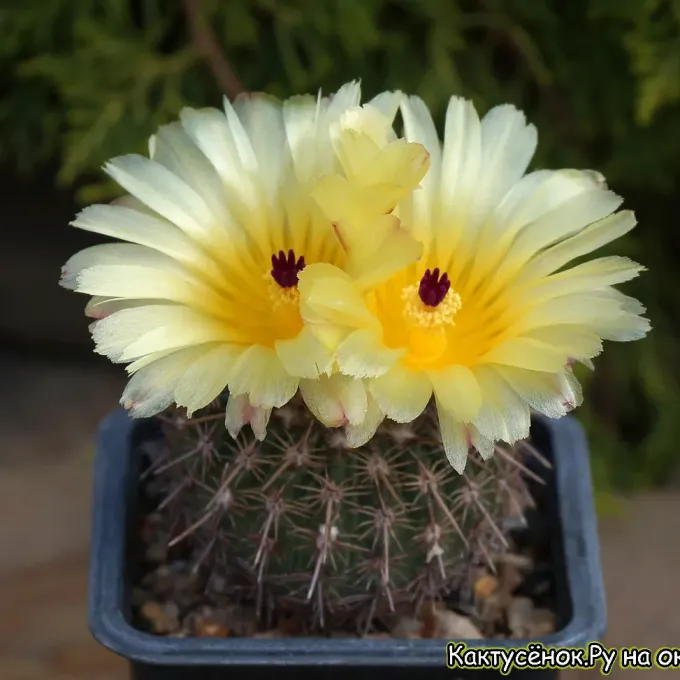
Description
Sowing dates
Sowing seeds of Notocactus mueller-melchersii is best done during the spring, when daylight hours increase steadily. March or April provide the optimal environment for seedlings to establish a strong root system before the dormant winter season.
A light, porous substrate consisting of fine sand and peat is required for successful germination. Seeds should be sown on the surface and lightly covered with sand, with the container kept covered to maintain high humidity during the initial weeks.
Temperature during germination should remain constant, ideally between 22 and 25 degrees Celsius. Providing bottom heat can significantly accelerate the process and help ensure healthy, uniform seedling growth from the start.
Once spines begin to form, the seedlings should be gradually acclimatized to lower humidity levels. This transition is critical to preventing fungal issues that can arise in stagnant, humid environments where seedlings are not properly ventilated.
Pricking out the young plants should only occur when they reach the size of a small pea. Moving them to individual pots allows for better nutrient management and prevents competition between seedlings for space and water as they begin their growth phase.
Growing requirements
Notocactus mueller-melchersii is a member of the Cactaceae family, native to the arid regions of Uruguay and southern Brazil. In cultivation, it requires bright, indirect sunlight to thrive, which helps maintain its compact form and dense spine production.
The potting medium must be well-draining, as the plant is highly susceptible to root rot. A mixture of loam, leaf mold, and coarse sand or grit creates an ideal environment that mimics its natural habitat while allowing for necessary gas exchange.
During the growing season from May to August, the cactus requires moderate watering, allowing the soil to dry out completely between applications. Over-watering is the most common cause of failure when cultivating this specific species of cactus.
Winter dormancy is essential for flowering. During the cold months, the plant should be kept in a cool, bright location with temperatures between 10 and 12 degrees Celsius, and watering should be reduced to an absolute minimum.
Fertilization should be limited to the growing season, using a specialized low-nitrogen cactus fertilizer. Applying balanced nutrition once a month prevents leggy growth and ensures the plant remains sturdy and resistant to physiological stress.
Main diseases and pests
The primary threat to Notocactus mueller-melchersii is root rot, triggered by damp, poorly drained soil. Symptoms include the softening of the stem base and an overall loss of vigor, which often signifies irreversible damage to the root system.
Spider mites are common pests that thrive in dry, hot conditions, particularly during the summer. They feed on the surface tissue, leaving unsightly pale patches and weakening the plant, which makes it more susceptible to secondary infections.
Mealybugs often infest the dense spines and growth points of the cactus, extracting vital plant juices. Their presence can be identified by the white, cottony masses they leave behind, which requires immediate treatment with systemic insecticides.
Scale insects may also attack the cactus, attaching themselves to the stem and forming a hard protective shield. Mechanical removal followed by an appropriate pesticide treatment is usually required to clear the infestation effectively.
- Regular monitoring for signs of mite or mealybug infestation.
- Strict adherence to a dry winter dormancy period.
- Use of well-draining mineral-based potting mixes.
- Ensuring good air circulation to prevent fungal growth.
- Immediate removal of any suspected diseased tissue.