
Notocactus mammulosus
Notocactus mammulosus
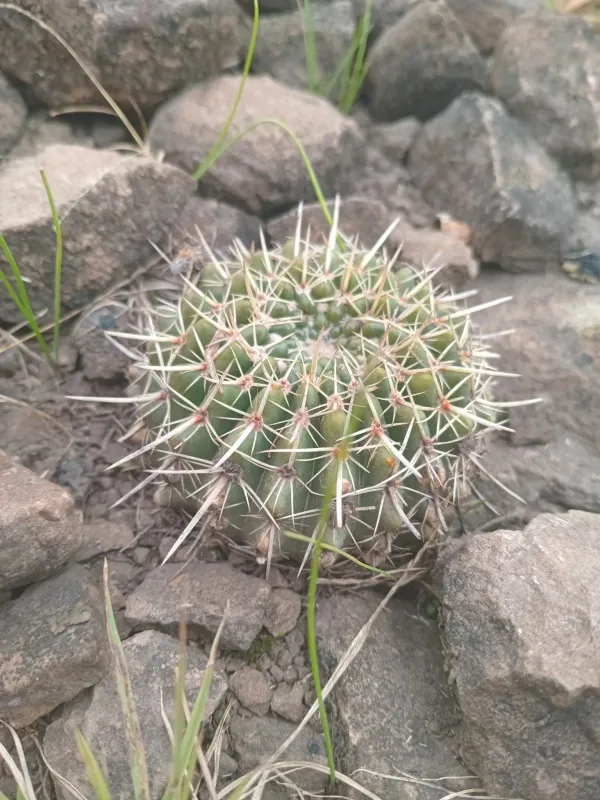
Description
Sowing dates
Notocactus mammulosus is typically propagated via seeds, which should be sown in a well-draining, sandy cactus soil mix. The process requires warmth, ideally between 20 and 25 degrees Celsius, to ensure optimal germination rates.
Sowing containers must be kept covered with a plastic dome or glass to maintain a humid environment until the seedlings emerge. Proper air circulation should be introduced gradually to harden off the young plants.
Seedlings develop very slowly in the first few months and require consistent moisture without becoming waterlogged. Once they develop small spines, they can be pricked out into individual small pots.
Vegetative propagation is achieved by carefully removing offshoots from the base of the mother plant. This must be done using a sterile knife to prevent the spread of infections to the primary plant.
Newly separated offsets should be allowed to dry in a shaded area for several days to form a callus over the cut surface. Once callused, they are placed on the surface of dry substrate to encourage root development.
Growing requirements
As a member of the Cactaceae family, this species originates from South American grasslands, specifically in Uruguay and Argentina. It prefers bright, indirect light to maintain its compact, globular shape.
The substrate must be highly porous and slightly acidic to mimic the natural environment. A mix of pumice, perlite, and coarse sand with a small amount of potting soil provides the best structure.
Temperature management is crucial; it requires a warm growing season followed by a cool, dry dormancy period in winter. Keeping the plant between 10 and 15 degrees Celsius in winter is vital for blooming.
Watering should follow the soak-and-dry method during active growth periods. It is essential to ensure that no water pools at the base of the stem, as this is a common cause of rot in these plants.
The botanical structure of Notocactus mammulosus features prominent ribs covered in dense, golden, or brownish spines. These spines serve as an evolutionary adaptation to provide shade and reduce water loss.
Main diseases and pests
Spider mites are a frequent pest that thrives in dry, indoor environments, causing stunted growth and surface damage. Regular inspection of the stem's creases is necessary for early detection and control.
Mealybugs are another common threat, often hiding in the dense woolly areoles or between the ribs. Their presence is usually signaled by white, cotton-like masses, which can be treated with isopropyl alcohol.
Root rot is the most significant disease risk for this species, caused primarily by poor soil drainage and excessive moisture. Prevention includes using pots with large drainage holes and avoiding watering during cold spells.
Fungal infections can occur if the humidity remains too high and the ventilation is insufficient. Treatment involves improving air circulation and applying fungicides to the affected surface areas.
Sunburn is a risk when the plant is moved from a low-light environment to direct intense sun without an adjustment period. Gradually increasing the light exposure is necessary to avoid scarring the epidermis.