
Notocactus herteri
Notocactus herteri
Description
Sowing dates
Propagating Notocactus herteri from seed is the most effective method for maintaining healthy populations in controlled environments. Sowing should ideally occur in early spring to utilize the natural increase in day length, which promotes robust growth in seedlings.
The growing medium must be highly porous and sterile, typically consisting of fine sand, perlite, and a small portion of peat moss. Providing a consistent moisture level is critical during the initial germination phase to ensure a high success rate.
Seeds are scattered on the surface and should not be covered with soil, as they require light to germinate. Covering the tray with a clear lid or plastic wrap helps maintain the high humidity necessary for the tiny sprouts to establish themselves.
Temperature management during the first few weeks is crucial, with an ideal range of 22-26 degrees Celsius. Once the seeds sprout, the cover should be removed gradually to acclimatize the seedlings to lower humidity levels and prevent fungal growth.
Transplanting seedlings to individual pots should be done carefully once they have developed sufficient spines. This delicate process requires patience, as the small root systems are prone to damage if handled too aggressively during the shift to new media.
Growing requirements
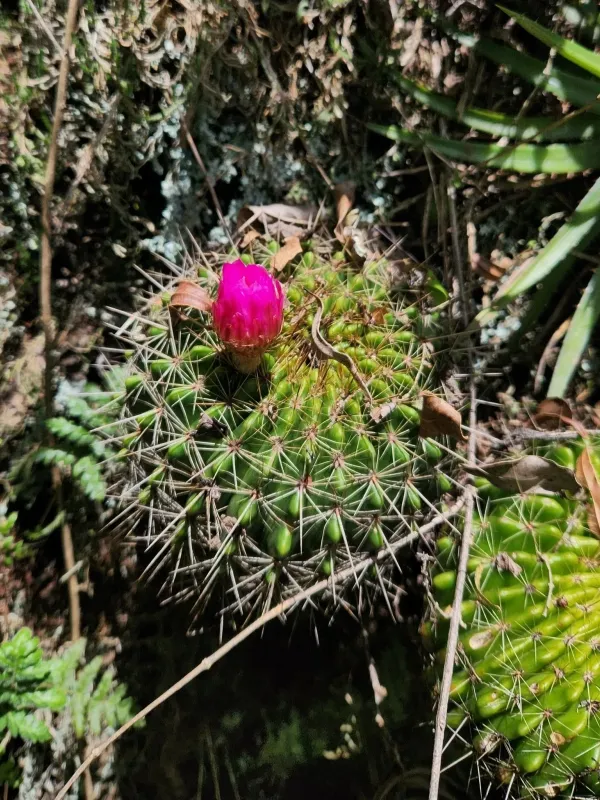
Notocactus herteri is a member of the Cactaceae family, native to the rocky, open terrains of Uruguay and southern Brazil. This species is recognized for its dense, woolly crown and beautiful, often reddish or magenta-colored flowers that bloom in the summer.
The species thrives in bright, indirect sunlight. While it appreciates high light intensity, extreme heat and direct sun exposure during midday can scorch the epidermis, so filtered light or partial shade in a greenhouse setting is recommended.
Soil requirements focus on drainage; the substrate must be slightly acidic to neutral and exceptionally well-draining. A typical mix includes coarse sand, pumice, and a small amount of organic material to ensure that roots receive oxygen and water does not stagnate.
Watering practices must be strictly seasonal. During the growing season, the plant needs regular water when the soil has completely dried out. In contrast, winter dormancy requires almost total dryness at cool temperatures to prevent decay.
Ventilation is a frequently overlooked aspect of cactus care. Notocactus herteri grows best in environments with moving, fresh air, which helps reduce the risk of humidity-related pathogens and mimics the plant's natural exposure to windy prairie conditions.
Main diseases and pests
Root rot remains the primary threat to the long-term survival of Notocactus herteri. This condition is almost exclusively caused by overwatering or using soil mixtures that do not drain effectively, leading to the irreversible death of the plant's vascular system.
Mealybugs are the most common pest, often clustering in the woolly areoles where they remain shielded from view. Their feeding activity depletes the plant's nutrient reserves and promotes the growth of secondary fungal infections on the stem surface.
Spider mites are another concern, particularly in indoor environments with low humidity. These pests puncture the cactus skin, leaving behind small, yellowish-brown spots that mar the plant's appearance and indicate overall stress or poor health.
Effective management of these pests requires the use of targeted insecticides or natural soaps suitable for succulents. Applying treatment early, at the first signs of infestation, is essential to prevent these pests from spreading across the entire collection.
Maintenance of overall plant hygiene is the best preventative measure against disease. Regularly clearing away dead plant tissue, avoiding water contact with the stem, and using clean tools are standard practices for every professional grower.