
Notocactus concinnus
Notocactus concinnus
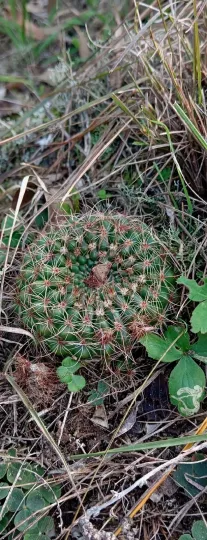
Description
Sowing dates
Sowing seeds of Notocactus concinnus is best performed during the early spring when the photoperiod begins to increase. March and April provide the optimal light conditions required for the successful germination and initial growth stages of these slow-growing cacti.
The use of shallow trays with drainage holes is essential to prevent water accumulation. A sterile, fast-draining substrate composed of peat and sharp sand should be utilized to maintain a light structure that allows for easy root penetration while ensuring appropriate aeration.
Germination requires consistent temperatures between +22 and +25 degrees Celsius. The soil should be kept uniformly moist but never waterlogged, as excessive humidity is the primary cause of seedling mortality due to fungal pathogens or damping-off disease.
Once seedlings emerge, it is critical to introduce them gradually to ambient humidity by slowly removing the cover. Direct sunlight must be avoided in the early stages, as it can easily dehydrate or burn the soft green tissue of the young Notocactus plants.
Pricking out the seedlings into individual small pots should occur once they develop their first set of spines, usually a few months after sowing. Proper care at this stage ensures that the root system develops robustly, providing a solid foundation for the cactus's future maturity.
Growing requirements
Notocactus concinnus, belonging to the Cactaceae family, originates from the grasslands of Uruguay and southern Brazil. To cultivate this species successfully, gardeners must emulate the conditions of its native habitat, which involves high light levels and excellent drainage.
Optimal light exposure is key, with bright, indirect sunlight being the preferred condition for most of the year. While these plants can tolerate some direct morning sun, intense afternoon heat can scorch the epidermal tissue, necessitating light shading during the peak of summer.
The growing medium must be porous and slightly acidic to ensure healthy root development. A classic mix for Notocactus includes standard potting soil amended with coarse sand, pumice, and perlite to prevent compaction and ensure that water drains away from the roots quickly.
Temperature management varies by season: during the active growth phase, temperatures between +20 and +28 degrees Celsius are ideal. In contrast, a cooler winter dormant period with temperatures between +8 and +12 degrees Celsius is necessary to encourage flowering in spring.
Watering should be conducted carefully during the growing season, allowing the soil to dry out almost completely between sessions. During the winter dormancy, water should be withheld almost entirely to prevent root rot, which is the most common cause of failure in this species.
Main diseases and pests
The most significant threat to Notocactus concinnus is root rot, typically caused by overwatering or poor soil drainage. When the roots remain in saturated soil for too long, they lose their function, and the plant begins to deteriorate, often requiring emergency repotting.
Pests such as spider mites frequently attack this species, especially in environments with low humidity. Infestations are recognized by the presence of fine webbing and yellow stippling on the stem, which should be treated with appropriate acaricides or diluted neem oil solutions.
Mealybugs are another common concern, often hiding in the crevices between the ribs of the cactus. These sap-sucking insects can be managed by using a cotton swab dipped in isopropyl alcohol for physical removal, followed by systemic insecticides if the infestation is severe.
Inadequate airflow or improper light can make the plant more susceptible to opportunistic fungal infections, causing dark, soft spots on the body of the cactus. Cutting out infected areas and applying an antifungal powder or sulfur can help save the specimen if caught early.
Preventative care is the best strategy against pests and diseases. This includes regular inspection of the plants, keeping the growing area clean and well-ventilated, and strictly adhering to the seasonal requirements for watering and temperature to keep the cactus resilient.