
Notocactus buiningii
Notocactus buiningii
Description
Growing requirements
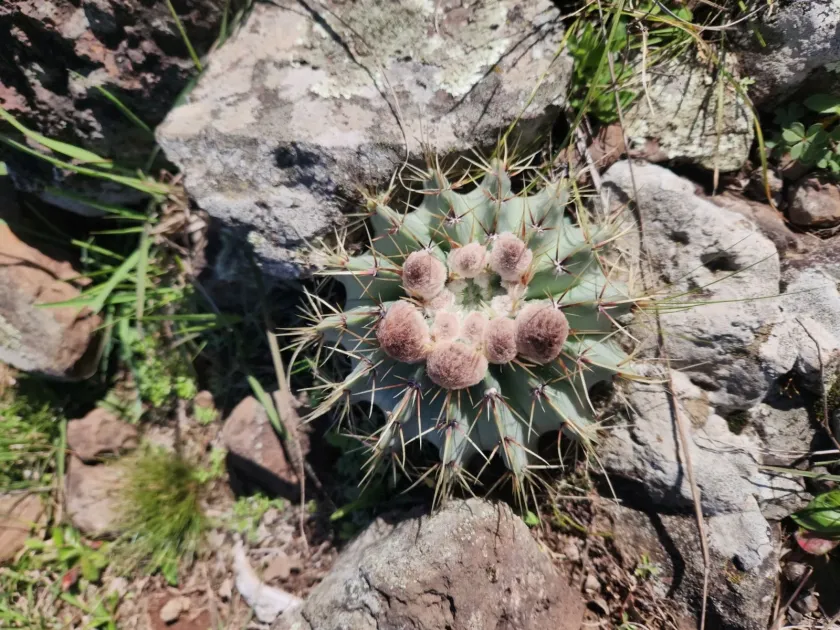
Notocactus buiningii is a unique member of the Cactaceae family, known for its distinct, spherical to slightly flattened body and prominent, sharp spines. This species originates from the grasslands and rocky terrains of South America, specifically in Rio Grande do Sul, Brazil, where it thrives in well-drained, nutrient-poor soil conditions.
Cultivation of this species requires a specific environmental approach. It thrives best in bright, filtered light. While it loves sunshine, intense afternoon heat can cause tissue scarring. Therefore, it is recommended to provide partial shade during peak summer hours to maintain the healthy color and structure of the epidermis.
The soil requirements are strict: the substrate must have excellent aeration and drainage properties. A mix consisting of equal parts of coarse sand, pumice, and a small amount of sandy loam is ideal. This composition prevents root compaction and ensures that moisture does not remain stagnant around the sensitive root system.
Temperature management is critical for the healthy development of Notocactus buiningii. During the growing season (spring to autumn), it prefers temperatures between 20°C and 30°C. However, a cooling period in winter, ideally between 8°C and 12°C, is essential to mimic its natural dormancy and prepare the plant for spring flowering.
Watering practices must be disciplined. Always allow the substrate to dry out completely before the next irrigation. Overwatering is the most common cause of failure in cultivating this species, as it leads to irreversible rotting of the crown and the root cortex.
Main diseases and pests
The most common insect pests affecting Notocactus buiningii are mealybugs and spider mites. These pests typically congregate in the areoles or the crevices between the ribs. Immediate treatment with specialized horticultural oils or systemic insecticides is necessary to prevent significant plant damage.
Fungal pathogens such as Fusarium and various root rots pose a serious threat to the plant's longevity. These diseases are usually triggered by high humidity levels combined with poor airflow, requiring strict adherence to dryness protocols and the use of preventative fungicide sprays during the transition of seasons.