
Myrtillocactus schenckii
Myrtillocactus schenckii
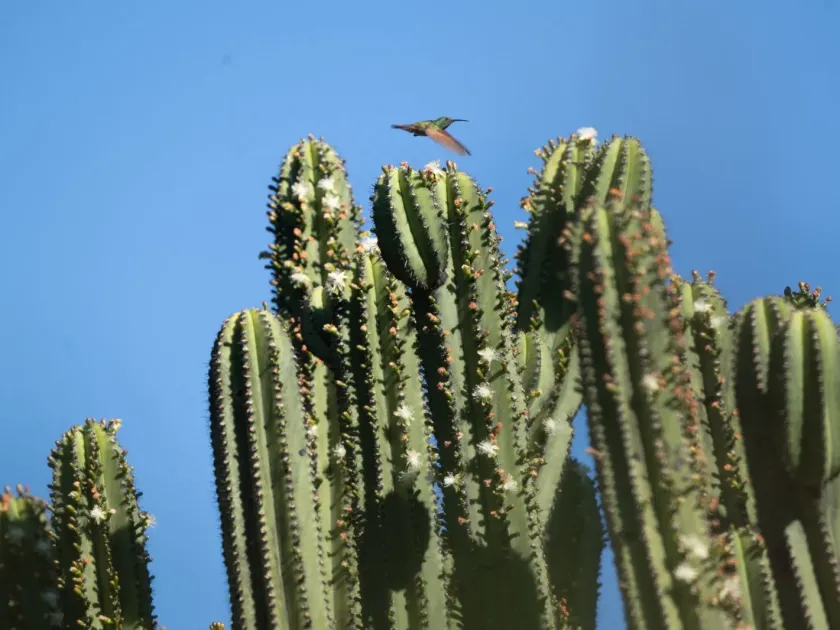
Description
Growing requirements
Myrtillocactus schenckii is a prominent species within the Cactaceae family, known for its tree-like, branched structure. In its native habitat, this plant grows into a significant woody specimen with prominent ribs that display a characteristic candelabra-like silhouette.
The plant originates from the arid regions of Mexico, specifically thriving in the states of Puebla and Oaxaca. It is well-adapted to rocky environments and intense solar exposure, which are essential for maintaining its natural growth form and structural integrity.
For successful cultivation, a mineral-based, highly permeable substrate is mandatory. The mix should ideally consist of coarse sand, gravel, and pumice to ensure that moisture does not linger around the root system, which is prone to rot.
This species requires high light intensity throughout the year. In indoor or greenhouse settings, supplemental lighting may be necessary if natural sunlight is insufficient, as shade causes weak and etiolated growth patterns.
Temperature management involves maintaining warm conditions (above 20°C) during the active growing season. During winter, a dry dormancy period at cooler temperatures (10–15°C) is essential to stimulate future flowering and preserve the plant's health.
Main diseases and pests
Root rot is the most significant agronomic challenge for Myrtillocactus schenckii. It is usually triggered by waterlogging and poor aeration in the growth medium, often leading to irreversible damage to the vascular tissues.
Mealybugs are common pests that target the areoles and the crevices between the ribs. These sap-sucking insects can quickly multiply, weakening the plant and promoting the growth of secondary mold on the epidermis.
Spider mites represent a threat in low-humidity environments. These pests feed on the outer layer of the stem, leaving behind scarred, corky patches that detract from the specimen's aesthetic and commercial value.
Fungal infections can develop on the epidermis under conditions of poor ventilation and high atmospheric humidity. These pathogens manifest as black or brown spots that require immediate excision and treatment with appropriate fungicides.
Monitoring the plant for signs of stress is critical for large-scale production. Periodic inspections for pest infestations and soil moisture testing ensure that any disease outbreak can be contained before it impacts the entire crop.