
Myrtillocactus geometrizans
Myrtillocactus geometrizans
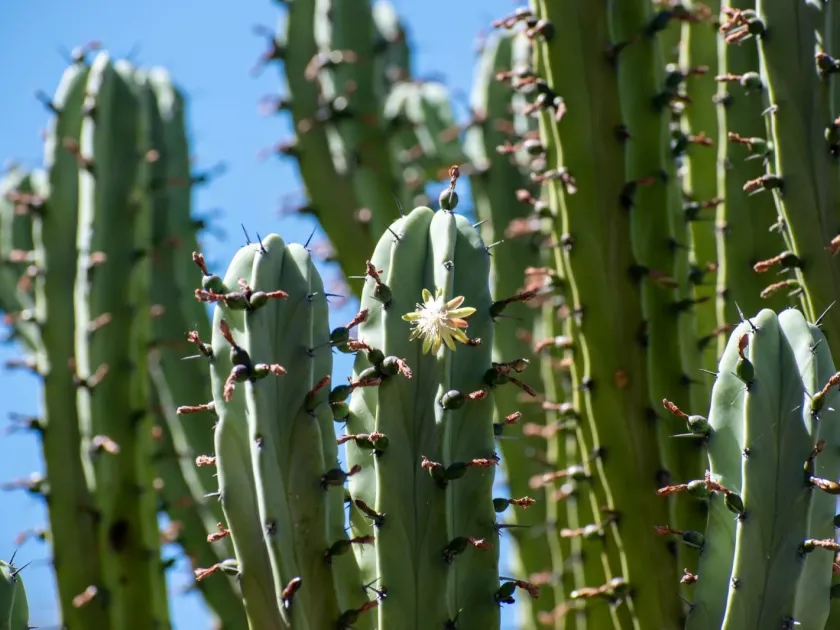
Description
Growing requirements
Myrtillocactus geometrizans is a species of the Cactaceae family, native to central and northern Mexico. Known for its distinct blue-grey waxy coating, this tree-like cactus is a prominent feature of the arid landscape.
The plant thrives in well-drained, sandy, or rocky soil types. Proper aeration of the root system is essential, as the species is highly sensitive to waterlogging, which often leads to rapid decay.
Regarding climate, this cactus requires full sun exposure to maintain its structural integrity and waxy aesthetic. It is drought-tolerant once established but needs seasonal temperature regulation during the winter.
Growth temperatures are optimal between 20°C and 30°C. In colder months, the plant enters a dormancy phase, requiring cooler conditions (around 10-12°C) and minimal water to ensure a healthy flowering cycle.
Agricultural practice involves careful monitoring of soil moisture. Watering should only occur when the substrate is completely dry, mimicking the natural cycles of its native dry habitat.
Yield
The primary agricultural interest in this species is its fruit, known as 'garambullo'. These are small, edible berries with a dark purple color and a flavor profile reminiscent of blueberries.
The harvest is typically manual, occurring once the berries are fully mature. They are consumed fresh or processed into artisanal jams, sauces, and fermented beverages, which are popular in local Mexican markets.
Economically, the species is also vital as a robust rootstock for grafting more sensitive cactus varieties. Its rapid growth rate and hardy nature make it a preferred choice for commercial cactus nurseries.
Yields can be substantial in managed plantations, provided that the plants are spaced correctly and receive adequate light levels, which trigger the flowering and subsequent fruit production process.
Future development of this crop focuses on improving berry size and sugar content through selective breeding, aiming to stabilize production for larger food processing markets.
Main diseases and pests
Root rot remains the most significant threat to Myrtillocactus geometrizans. It is almost exclusively caused by overwatering or poor drainage, requiring immediate soil replacement and sanitation.
Pest pressures include mealybugs and spider mites, which exploit the plant's surface to feed on plant sap. Their presence can lead to disfigurement and reduced vigor, especially in greenhouse environments.
Scale insects are another common concern, often attaching themselves to the stems. They are particularly difficult to treat on larger specimens without specialized tools or systemic insecticides.
Fungal infections can manifest as black spots or necrotic lesions on the epidermis if air circulation is inadequate. Improving ventilation is the most effective cultural control method.
Integrated pest management protocols, including regular visual inspection and the use of insecticidal soaps, are recommended for maintaining the health of both ornamental and fruit-bearing specimens.