
Mila caespitosa
Mila caespitosa
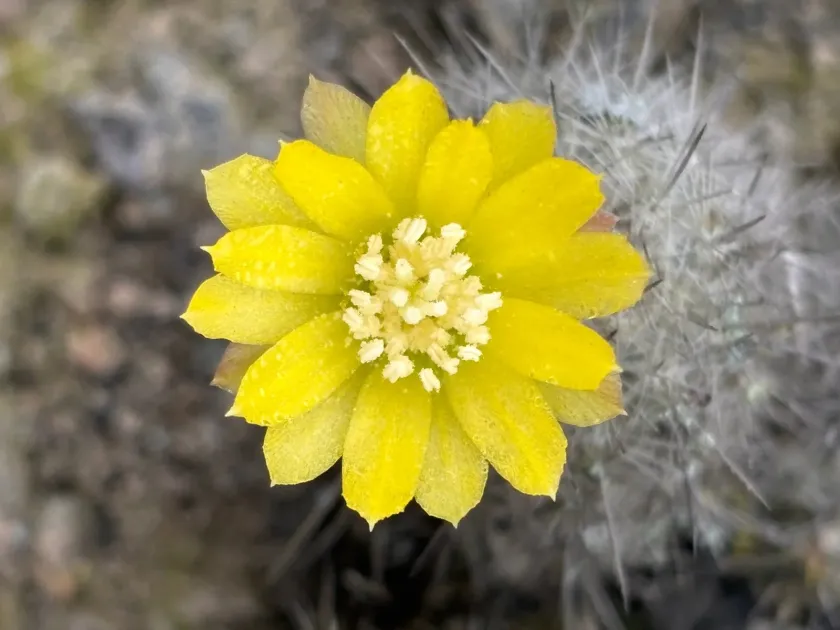
Description
Growing requirements
Mila caespitosa is a distinct member of the Cactaceae family, native to the rugged and arid environments of Peru. It is scientifically characterized by its branching, caespitose growth habit, where multiple cylindrical stems cluster together to form dense mats.
Cultivation of this species demands high light intensity, ideally mimicking its natural high-altitude habitat. Providing sufficient sunlight is critical to preventing etiolation, which ensures the stems remain compact and maintain their natural, healthy aesthetic.
The potting medium must be exceptionally well-draining, typically consisting of a mineral-heavy mix of grit, coarse sand, and minimal organic matter. Proper aeration of the roots is the most important factor in maintaining a healthy specimen over time.
Watering protocols should be strict: provide moisture only during the active growing season and allow the substrate to dry out completely between sessions. During winter, the plant requires a cool and completely dry dormancy period to trigger spring blooming.
Its primary use is purely ornamental, as it is a prized specimen for collectors of Andean flora. Beyond its beauty, it serves as a fascinating example of extreme adaptation to dry, rocky environments, making it a staple in succulent collections.
Main diseases and pests
The most prevalent threat to Mila caespitosa is root rot, frequently caused by stagnant water or soil that remains damp for too long. Poor air circulation significantly increases the risk of fungal infections within the dense clusters of stems.
Mealybugs are the most common insect pests encountered when growing this species. They often hide in the deep crevices between the ribs, making early detection difficult and requiring meticulous inspection of the entire stem surface.
Spider mites can also become a problem in environments with low humidity, as they thrive on the dry surface of the succulent. They tend to cause unsightly scarring and discoloration on the skin of the plant, hindering its photosynthetic capacity.
Preventative care involves regular monitoring of the stem base and ensuring that the plant is not kept in overly crowded or stagnant environments. Proper hygiene, such as cleaning the growing area, helps reduce the likelihood of pest outbreaks.
Treatment for infestation involves using appropriate systemic pesticides or targeted contact sprays. Always perform a spot test on a small area of the cactus to ensure the chemical treatment does not cause tissue damage to the epidermis.