
Marshallocereus aragonii
Marshallocereus aragonii
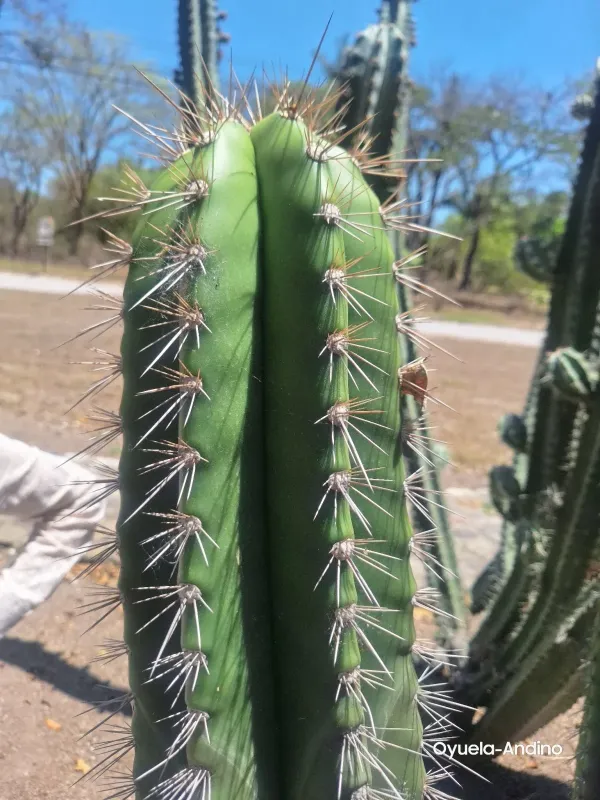
Description
Growing requirements
Marshallocereus aragonii is a distinctive, tree-like cactus belonging to the Cactaceae family. Known for its structural beauty, this species is highly valued in botanical collections for its stature and branching habit.
Native to the regions of Central America, specifically Costa Rica, this plant has adapted to tropical conditions. It thrives in environments where sunlight is intense and seasonal rainfall patterns dictate its vegetative growth cycle.
The cultivation requirements focus on soil composition: it demands a highly permeable, mineral-rich substrate. A mix consisting of grit, pumice, and minimal organic matter is ideal to ensure the rapid drainage necessary to prevent root issues.
Full sun exposure is mandatory for healthy development. Without sufficient solar radiation, the plant will become etiolated, losing its structural integrity and its characteristic glaucous epidermal color.
Temperature management is critical, as this species lacks frost tolerance. It requires warmth throughout the year, making it unsuitable for outdoor growth in temperate climates unless housed in climate-controlled greenhouses.
Main diseases and pests
Root rot is the most significant threat to Marshallocereus aragonii, usually resulting from overwatering or inadequate soil aeration. Once the roots are compromised, the systemic damage often becomes irreversible.
Mealybugs are common pests that tend to cluster in the crevices between the cactus ribs. Regular inspection of these areas is necessary to prevent significant infestation that can sap the plant's vitality.
Spider mites can become a problem in environments with low humidity and poor ventilation. Maintaining adequate airflow around the plant helps keep populations of these pests under control.
Fungal infections can develop when high humidity coincides with stagnant air. It is crucial to ensure the surface of the soil dries out completely between watering sessions.
Regular sanitation of tools and the use of sterile potting media are essential practices to protect the plant from soil-borne pathogens and ensure a long lifespan.