
Lobivia schieliana
Lobivia schieliana
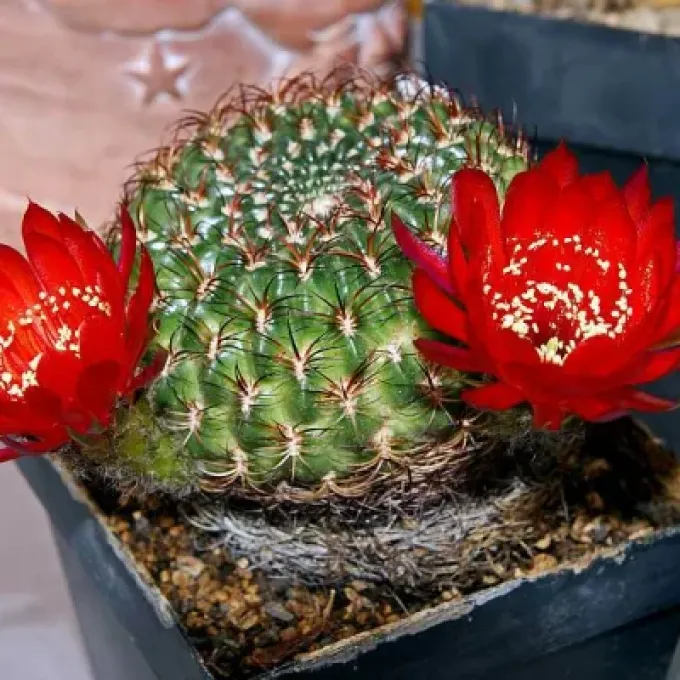
Description
Sowing dates
Sowing Lobivia schieliana seeds is best performed in early spring, specifically during March or April, to align with the start of the growth season.
Use a sterile, well-draining substrate composed of mineral-based soil, coarse sand, and perlite to ensure optimal moisture regulation for delicate sprouts.
Seeds should be placed on the surface of the moist soil without covering them, as they require light to initiate the germination process effectively.
Maintain the container under a glass lid or plastic cover at temperatures between 20 and 25 degrees Celsius to sustain high humidity levels.
Once the seedlings grow to the size of a small pea, they should be transplanted into individual small pots to provide enough room for root development.
Growing requirements
Lobivia schieliana is a distinct member of the Cactaceae family, known for its small size and tendency to form dense clusters in its native Bolivian habitat.
This species demands direct, intense sunlight, which makes it ideal for south-facing windows or growing under specialized LED horticultural lamps.
Watering must be strictly regulated, allowing the substrate to dry out completely between applications, especially during the active growth period.
The potting medium must be porous and mineral-rich, mimicking the rocky soil found in high-altitude mountain environments where these plants naturally occur.
Providing a cool winter dormancy period, with temperatures kept near 5 to 10 degrees Celsius, is essential for promoting future flowering cycles.
Main diseases and pests
Mealybugs are the most common pests that affect Lobivia schieliana, often hiding within the dense, sharp spines that cover the plant's surface.
Spider mites can become a significant issue during periods of low humidity, causing unsightly scarring and tissue damage to the cactus epidermis.
Root rot, driven by stagnant water or poor air circulation, remains the primary threat to the long-term health and survival of this cactus species.
Effective pest management involves using systemic insecticides and maintaining a clean environment around the pots to prevent potential infestations.
If symptoms of fungal decay occur, the plant should be immediately removed from its pot for inspection, followed by excision of rot and repotting.