
Lobivia obrepanda
Lobivia obrepanda
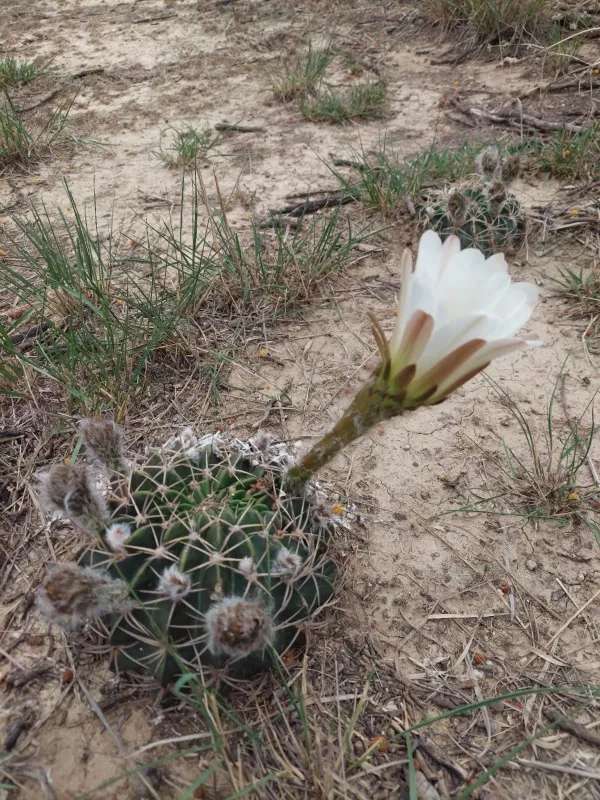
Description
Growing requirements
Lobivia obrepanda is a distinctive species within the Cactaceae family, native to the high-altitude regions of Bolivia. This cactus is highly valued by collectors for its compact, globular form and large, vibrant flowers that bloom during the spring and summer months.
The cultural requirements for this plant are centered on mimicking its natural alpine environment. It thrives in conditions of high light intensity, necessitating a sunny spot where it can receive direct sunlight for the majority of the day to maintain its natural shape and health.
Soil management is paramount; the plant requires a highly porous, well-draining substrate. A typical mix should include mineral components such as coarse sand, pumice, and grit, while keeping organic matter, like leaf mold, to an absolute minimum to prevent waterlogging.
Watering protocols must be strictly followed: the plant should be watered thoroughly but only after the growing medium has dried out completely. During the dormant winter period, water should be withheld almost entirely to encourage the plant to enter a resting phase, which is vital for floral development.
Temperature control is essential for the longevity of the plant. While it tolerates summer heat well, it requires a cool, dry wintering period at temperatures between 5°C and 10°C. This cycle is critical, as it ensures that the specimen remains healthy and prepared for its blooming cycle.
Main diseases and pests
The primary threat to Lobivia obrepanda is root rot, usually triggered by excessive moisture in the substrate combined with poor ventilation. Once the root system is compromised, the infection quickly spreads to the main body of the cactus, often leading to rapid decline.
Spider mites represent a significant pest threat, especially in indoor environments with low humidity. They manifest as fine webbing or localized yellowing on the epidermis, which can cause permanent scarring if not treated promptly.
Mealybugs are another common nuisance that can cluster in the grooves of the plant or even within the root zone. Their presence is often identified by a white, cottony substance appearing on the surface of the cactus.
Pest management should involve the use of specialized systemic insecticides. It is important to treat both the plant and the surrounding soil surface to ensure that hidden insects are fully eradicated from the growing area.
To keep the plant disease-free, always use sterilized tools during propagation or repotting. Regular inspection and maintaining good airflow around the plant are the most effective preventative measures against both fungal pathogens and common houseplant pests.