
Lobivia mamillosa
Lobivia mamillosa
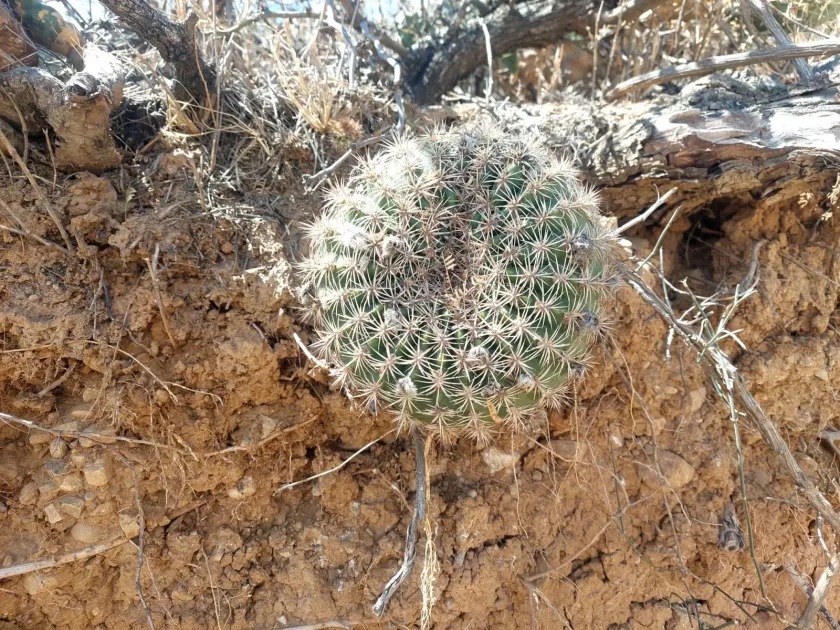
Description
Sowing dates
The propagation of this species is primarily conducted through seeds during the spring season. The optimal time for sowing is between March and April, taking advantage of increasing daylight to provide the seedlings with necessary conditions for vigorous growth.
For successful germination, a loose, sterile substrate with high sand content is required. Containers should be covered with glass or transparent film to maintain a stable microclimate and high air humidity during the initial stages.
The temperature must be maintained consistently between 20–25 degrees Celsius. Initial shoots typically appear within 10–14 days, after which the covering should be removed gradually to acclimatize the young plants to standard air conditions.
Pricking out the young plants is performed three to four months after sowing, once they are robust enough. Adequate ventilation at this stage is crucial to prevent the development of common fungal diseases.
Alternatively, vegetative propagation can be achieved by separating offsets from the mother plant. These must be dried for several days in a shaded area before being placed into the soil to ensure healthy root development.
Growing requirements
Lobivia mamillosa belongs to the Cactaceae family and is native to the high-altitude regions of Bolivia. This geographical origin dictates its specific need for intense sunlight and excellent air circulation throughout the growing season.
To ensure healthy growth, the plant requires a slightly acidic, well-draining soil mix consisting of loam, coarse sand, and gravel. A functional drainage layer at the bottom of the pot is essential to prevent water accumulation at the roots.
During the active growth period, irrigation should be moderate and performed only after the substrate has dried out completely. In winter, the plant requires a cool dormant period at temperatures ranging from 5 to 10 degrees Celsius to stimulate future flowering.
The plant is extremely sensitive to excessive humidity. Moist conditions combined with low temperatures frequently lead to the rapid decay of the root system and the succulent stem, which can be fatal to the cactus.
In natural habitats, these cacti are accustomed to significant fluctuations between day and night temperatures. During the summer, moving the plant outdoors promotes hardiness and helps maintain its compact, healthy structure.
Main diseases and pests
The most significant threat to the plant is root rot, which is almost exclusively caused by improper irrigation regimes or the use of heavy, moisture-retentive soil mixes that lack proper aeration.
Spider mites are the most common pests, thriving in hot and dry indoor environments. Regular inspections are necessary to detect early signs of infestation, which should be managed with specific acaricides.
Mealybugs can also affect the plant, appearing as white cotton-like tufts in the recesses between the cactus ribs. These should be removed mechanically or treated with systemic insecticides if the infestation is severe.
Preventive maintenance involves regular monitoring of the plant's condition and ensuring that pots are not placed too close together, which facilitates airflow and reduces the risk of pest outbreaks.
Should signs of fungal decay appear, the plant must be removed from its pot immediately. Any damaged roots should be excised, the wounds treated with charcoal powder, and the cactus repotted into fresh, dry substrate.