
Lobivia ferox
Lobivia ferox
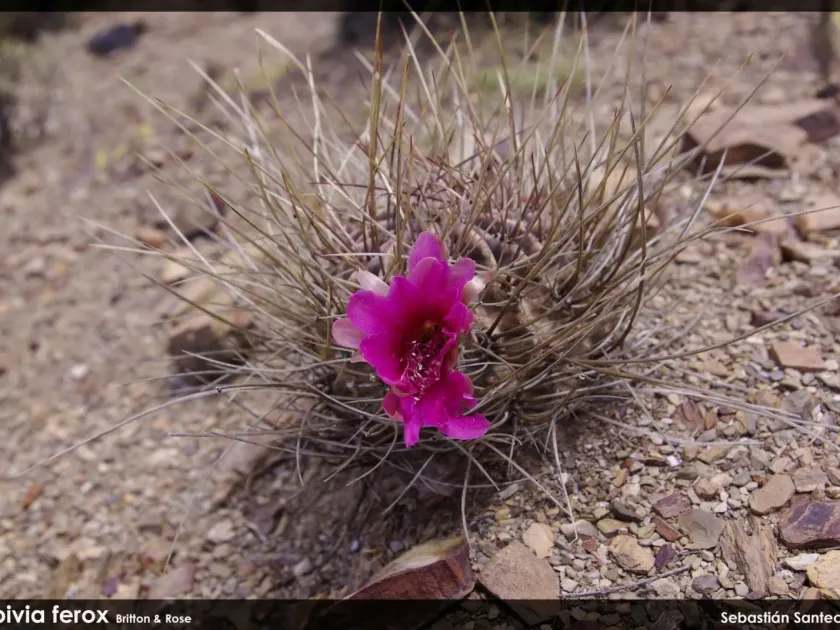
Description
Growing requirements
Lobivia ferox is a remarkable succulent belonging to the Cactaceae family, widely recognized for its robust, long, and fiercely curved spines that define its aesthetic appeal.
The plant originates from the high-altitude regions of Bolivia and Argentina, where it thrives in harsh mountainous climates characterized by rocky terrain and high ultraviolet exposure.
Successful cultivation requires a highly porous, well-draining mineral substrate that mimics its natural habitat and prevents the retention of excessive moisture.
This species demands direct, intense sunlight throughout the growing season to maintain its compact shape and to encourage the production of its signature decorative spines.
Temperature management is crucial: it requires warmth during the day for active growth and a significant drop in temperature at night, consistent with its Andean origin.
Main diseases and pests
The primary threat to Lobivia ferox is root rot, which typically stems from overwatering or inadequate soil drainage, particularly during the cooler winter months.
Spider mites are common pests that thrive in dry indoor environments; they can quickly drain the plant's vigor, leaving behind pale spots on the green tissue.
Mealybugs pose a significant risk as they hide deep within the crevices of the cactus ribs, making them difficult to detect until the infestation becomes advanced.
Root mealybugs can cause unseen damage to the root system, leading to stunted growth and eventual decline of the plant if not addressed with specialized soil treatments.
Maintenance of healthy plants relies on strict monitoring of moisture levels, careful watering techniques, and the use of preventative systemic pesticides when necessary.