
Lobivia cinnabarina
Lobivia cinnabarina
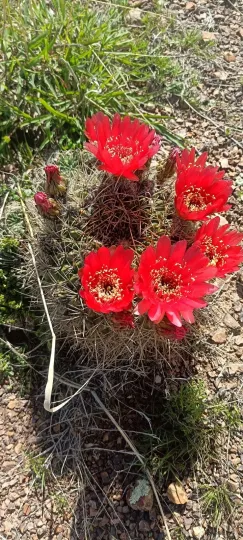
Description
Sowing dates
Propagating Lobivia cinnabarina from seeds requires a consistent temperature range of 20–25°C. Seeds should be sown in a sterile, well-draining mixture of peat, fine sand, and brick grit to ensure optimal germination rates.
During the early development phase, maintain moderate soil moisture and high humidity levels. Gradually introduce air circulation once the seedlings emerge to prevent damping-off diseases and promote stronger stem growth.
Pricking out the young seedlings into individual small pots should be done when they reach a sufficient size to handle safely. Use a nutrient-poor, mineral-based soil mix to encourage healthy root system development.
Avoid exposing young seedlings to intense direct sunlight until they have hardened off. Using specialized LED grow lights during the dormant season is highly recommended for Northern latitudes to prevent etiolation.
For vegetative propagation, use offshoots that have developed their own roots or callus. Allow the cut surface to air-dry for at least 48 hours before potting to prevent bacterial and fungal infections.
Growing requirements
Lobivia cinnabarina is a species of the Cactaceae family, native to the high altitudes of Bolivia. As an alpine succulent, it is naturally adapted to high light intensity and limited nutrient availability in the wild.
This plant demands maximum exposure to direct sunlight throughout the year to maintain its compact, hemispherical shape. Inadequate light results in pale, elongated stems and a failure to produce its signature cinnabar-red blooms.
The ideal potting medium should be highly porous and inorganic. A mixture of mineral components such as volcanic rock, coarse sand, and a small percentage of loam is perfect for mirroring the plant's natural rocky habitat.
Temperature fluctuations are vital for the plant's physiology. During the growing season, a warm day and cooler night cycle support healthy respiration, while the winter rest period requires cool temperatures between 5°C and 10°C.
Watering should be deep but infrequent, allowing the substrate to dry out completely between sessions. Never allow the roots to stand in water, as this species is extremely susceptible to root rot and stem decay.
Main diseases and pests
Pests like spider mites and mealybugs are the most common adversaries, particularly in indoor environments with low humidity. These pests tend to congregate in the areoles, causing unsightly damage to the cactus skin.
Fungal diseases are predominantly caused by overwatering or poor drainage. Symptoms such as yellowing or softening at the base of the stem indicate critical root damage that requires immediate intervention and potential surgery.
Root aphids can infest the root ball, going unnoticed until the plant's growth ceases entirely. Using systematic insecticides during repotting serves as a highly effective preventive measure against these underground pests.
Poor ventilation during the humid season can lead to mold and bacterial rot on the plant's epidermis. Providing constant airflow via fans or proper shelf spacing is essential for maintaining a healthy and disease-free collection.
If symptoms of infection appear, remove the plant from its pot, clean the root system, and treat the affected areas with systemic fungicides or alcohol-based solutions. Always use clean, sterilized tools when working with cacti.