
Lobivia bridgesii
Lobivia bridgesii
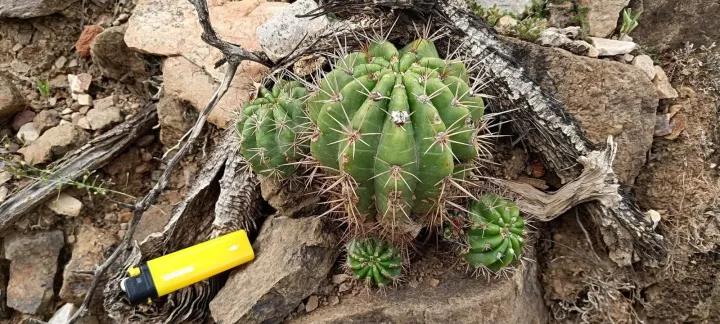
Description
Growing requirements
Lobivia bridgesii is a species of cactus belonging to the Cactaceae family, native to the rugged terrains of Bolivia and Argentina. This plant is well-adapted to high-altitude environments, characterized by well-draining rocky soils and extreme temperature fluctuations.
Optimal growth requires high light intensity, as this plant is heliophilic. Placing the plant in a bright location ensures compact growth and promotes the development of vibrant, healthy spines, which are characteristic of this species.
The potting medium must be highly porous to ensure efficient drainage. A standard mix should include pumice, coarse sand, and perlite, ensuring that water does not remain trapped around the root zone for an extended period.
During the active growing season, temperature management is crucial, focusing on warm days and cooler nights. In the winter months, the plant enters a dormant stage and should be kept in a cool environment, ideally between 5 to 10 degrees Celsius.
Watering requirements are strict: the soil must reach complete dryness before the next irrigation. Overwatering is the primary cause of decline for this culture, leading rapidly to root system degradation and plant loss.
Main diseases and pests
Fungal infections, specifically stem and root rots, represent the most significant threat to the health of Lobivia bridgesii. These diseases are almost always associated with improper irrigation practices or poor soil aeration.
Common pests include the two-spotted spider mite, which thrives in arid conditions and can cause severe damage to the plant's epidermis. Mealybugs may also infiltrate the plant's areoles and crevices, sucking plant sap.
Pest management involves the application of appropriate acaricides and systemic insecticides. Early detection is vital, as these insects can multiply quickly under favorable conditions, debilitating the host plant.
Maintaining a clean growing environment is a key preventive measure. Ensuring good airflow and removing debris from the surface of the soil will help prevent the establishment of mold and parasitic insects.
If rot is detected early, the affected area may be excised using a sterilized blade, and the wound should be dusted with sulfur or an antifungal agent. In cases of severe root decay, cuttings may be taken if the stem apex remains healthy.