
Lobivia backebergii
Lobivia backebergii
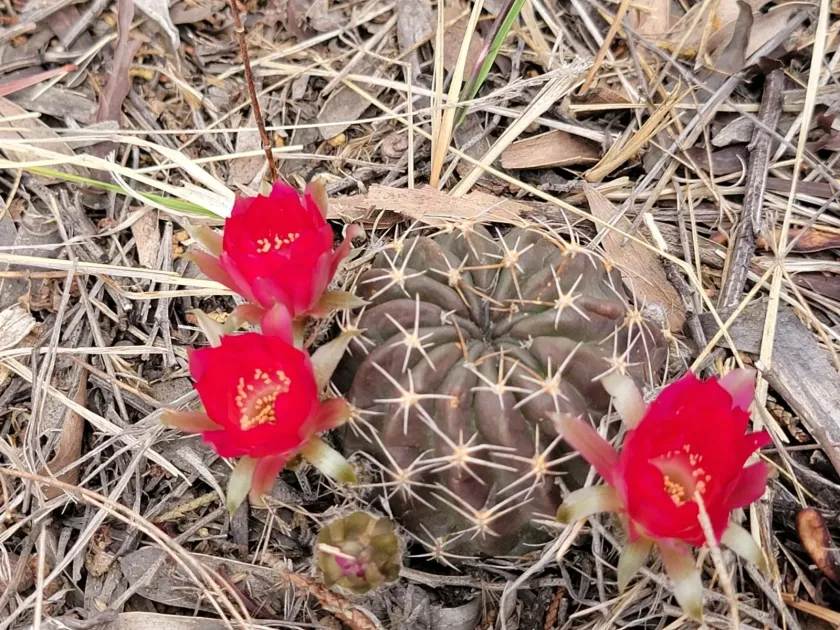
Description
Growing requirements
Lobivia backebergii is a striking species within the Cactaceae family, native to the high-altitude regions of Bolivia and Argentina. This compact, globular cactus is well-regarded for its pronounced ribs and dense array of spines, making it a favorite for collectors.
The cultural requirements demand intense, direct sunlight to maintain the plant's structural integrity. Without sufficient light, the plant will become etiolated, losing its characteristic shape and failing to produce its magnificent, large-petaled flowers.
For optimal growth, the growing medium must be highly porous and well-draining. A mix of pumice, coarse sand, and a small amount of organic compost provides the aeration required to keep the root system healthy and resilient against decay.
Agrotechnical management requires a strict seasonal approach: providing ample hydration during the growing season while ensuring the substrate dries out completely, and maintaining a cool, dry dormant period during winter to facilitate flowering.
Host-plant utilization is primarily ornamental. It is widely cultivated for greenhouse collections and interior display, valued for its beauty and the relative ease of management once the specific requirements for light and seasonal rest are understood.
Main diseases and pests
The primary threats to Lobivia backebergii are fungal pathogens, typically triggered by excessive soil moisture and poor air circulation. Root rot is a lethal condition that often stems from overwatering during the cooler dormant months.
Common pests include spider mites and mealybugs, which thrive in low-humidity environments. These pests can cause significant surface damage, weakening the plant's defense mechanisms and potentially leading to stunted growth or death.
Effective pest management involves early detection and the use of specialized systemic acaricides. Keeping the cactus in a well-ventilated space helps reduce the likelihood of pest outbreaks and fungal infections.
Sterilization of the growing medium is essential when transplanting to prevent the introduction of soil-borne pathogens. Monitoring the texture and color of the stem is a crucial diagnostic step in ensuring long-term health.
- Preventative use of systemic fungicides.
- Regular inspection for white web-like growths or spots.
- Ensuring proper winter dormancy temperatures.
- Using clean, sterilized tools for any propagation work.