
Lobivia ancistrophora
Lobivia ancistrophora
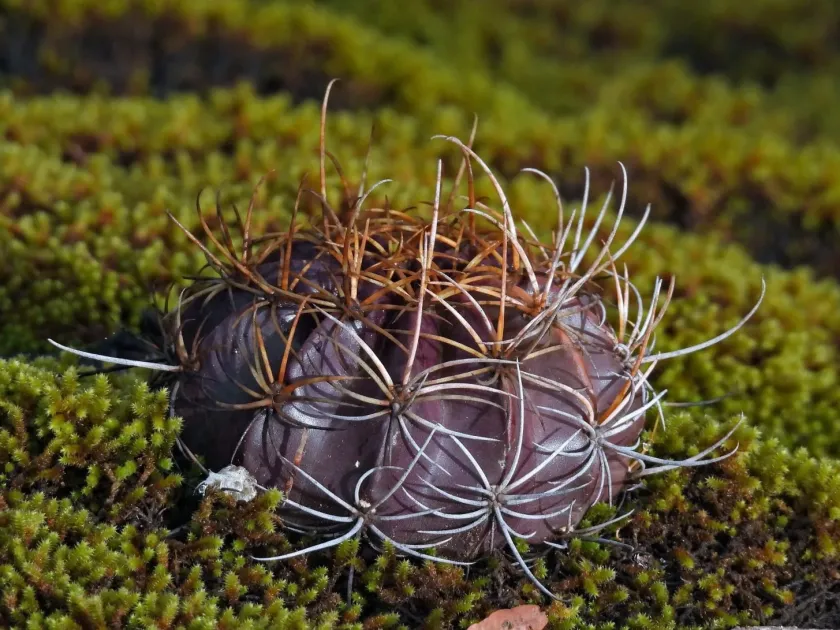
Description
Sowing dates
Sowing Lobivia ancistrophora seeds is best performed during the spring season, when daylight hours start to increase significantly. The ideal timeframe is late March or April, ensuring seedlings receive sufficient natural light for healthy development.
Use wide seed trays with drainage holes filled with a light, sterile substrate. An ideal mixture consists of equal parts loam, leaf mold, and coarse sand, complemented by a small amount of charcoal to prevent fungal growth.
Seeds should be spread across the surface of the moistened soil without burying them deeply; simply pressing them gently into the substrate is sufficient. Cover the containers with glass or plastic film to maintain high humidity levels during germination.
Maintain temperatures between 20–25 degrees Celsius for optimal sprouting. Keep the trays away from direct sunlight, as intense heat can easily kill young, delicate seedlings before they establish their root systems.
Prick out the seedlings a few months after germination, once they reach the size of a small pea. Carefully transplant them into individual small pots, gradually acclimatizing them to lower humidity levels and the watering routine of adult cacti.
Growing requirements
Lobivia ancistrophora is a succulent plant from the Cactaceae family, native to the high-altitude regions of Argentina and Bolivia. In its natural habitat, the cactus is adapted to extreme diurnal temperature fluctuations and intense solar radiation.
For successful cultivation, provide maximum exposure to bright light throughout the year. During the winter dormancy period, the cactus requires cool conditions between 5 and 10 degrees Celsius and a strict cessation of watering.
The soil mixture must have excellent drainage properties, as standing water is fatal to the root system. It is highly recommended to use professional cactus mixes fortified with plenty of grit, pumice, or perlite to facilitate rapid moisture evacuation.
Watering should be moderate during the active growing season, allowing the soil to dry out completely between sessions. Ensure water does not splash onto the stem, as moisture trapped against the skin can cause unsightly lesions and rot.
The plant features a distinct spherical to slightly flattened stem with well-defined ribs. Its most notable characteristic is the array of strong, hooked spines, which provide significant aesthetic value even when the plant is not in its flowering cycle.
Main diseases and pests
Root rot, often caused by overwatering or poorly draining soil, is the primary threat to Lobivia ancistrophora. The first signs of trouble include softening at the base of the stem and a shift from the plant's natural green color to a dull, brownish hue.
Pests such as spider mites frequently attack the cactus in environments with low humidity and poor ventilation. If detected, apply specialized acaricides directly to the surface of the plant to manage the infestation effectively.
Mealybugs can settle deep between the ribs, feeding on the plant's sap. The presence of white, cotton-like masses indicates an urgent need for treatment with systemic insecticides to prevent severe damage to the epidermis.
Improper cultivation techniques, particularly the failure to provide adequate fresh air circulation, often lead to the development of opportunistic fungal infections. Consistent monitoring and strict adherence to the winter rest cycle are essential for plant longevity.
As a preventative measure, repotting into fresh substrate should be performed annually. During this process, carefully clear the root system of any residual old soil to ensure the plant continues to thrive in its new environment.