
Ferocactus viridescens
Ferocactus viridescens
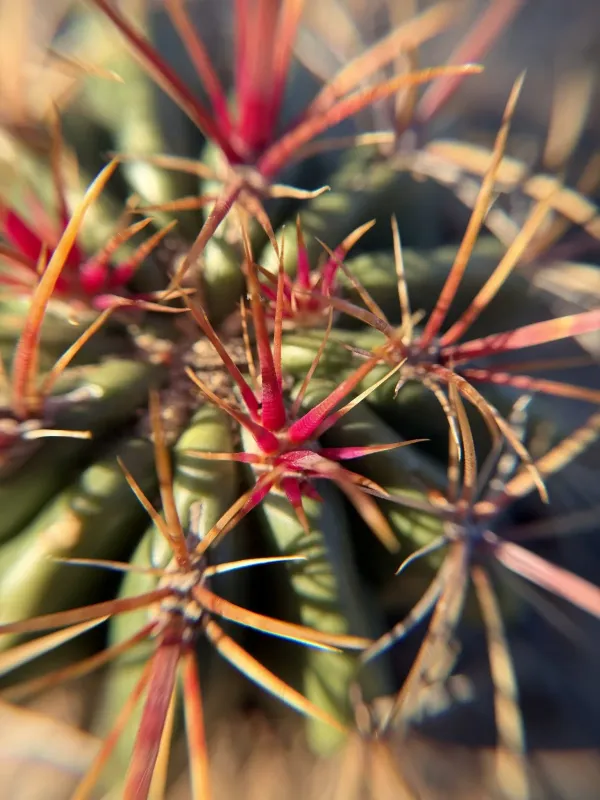
Description
Sowing dates
Ferocactus viridescens, a member of the Cactaceae family, is widely cultivated as a decorative crop in specialized arid garden collections.
Propagation is primarily performed via seeds, which are sown during early spring to capitalize on the increasing photoperiod of the growing season.
The substrate for sowing must be highly porous, typically composed of a mix of horticultural sand and gravel to ensure rapid drainage and air circulation.
Seeds are sown on the surface and lightly covered with fine gravel, maintaining a warm environment between 22°C and 26°C for optimal germination rates.
Seedlings remain in the sowing tray for their first year, receiving protection from direct scorching sun until they develop a stronger epidermis and root system.
Growing requirements
Native to the coastal areas of San Diego County and Baja California, this species requires full sun exposure to maintain its characteristic compact shape.
The soil should be strictly mineral-based, avoiding peat or high organic content that may retain moisture and lead to root asphyxiation during the dormant phase.
During the summer active growth phase, the plant requires periodic watering once the substrate has dried completely, followed by a total drought in winter.
A dormant period with temperatures between 10°C and 15°C is essential for the plant to consolidate its tissues and prepare for the next reproductive cycle.
Fertilization should be limited to the early spring using low-nitrogen, high-potassium fertilizers to promote root development rather than succulent overgrowth.
Main diseases and pests
Root rot is the most common agronomic threat, almost always caused by improper drainage or excessive water during the cool season when evaporation is low.
Mealybugs are frequent pests that hide between the ribs of the barrel, requiring mechanical removal or treatment with appropriate horticultural oils.
Scale insects can attach to the plant's surface, extracting sap and causing yellowing of the epidermis if left unchecked for an extended period.
Overhead watering or splashing rain can promote fungal infections, so bottom-watering techniques or drip irrigation are preferred in controlled environments.
Regular sanitation of the greenhouse or growing area is vital to prevent the spread of pests and diseases, ensuring the long-term health of the crop.