
Ferocactus schwarzii
Ferocactus schwarzii
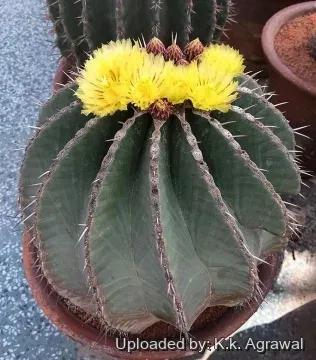
Description
Sowing dates
Ferocactus schwarzii is primarily propagated through seeds. The sowing process should be initiated in the spring to take advantage of the increasing daylight hours, which are critical for early seedling development.
Maintain a constant soil temperature between 22–25 degrees Celsius for optimal germination. Using a seed starting tray with a clear lid helps keep humidity stable during the delicate initial phase of growth.
The ideal growing medium for seedlings is a porous, mineral-based mix. A blend of coarse sand, fine gravel, and a small amount of coco peat provides the necessary drainage and aeration required for young roots.
As the seedlings grow, they require careful aeration to prevent the development of damping-off fungus. Gradually introducing fresh air will strengthen the young plants before they are ready for individual pots.
Seedlings should remain in bright, filtered light until they develop their first set of mature spines. Direct sunlight at the very early stage can cause thermal damage to the soft epidermis of the young cactus.
Growing requirements
Ferocactus schwarzii belongs to the Cactaceae family, native to the Baja California peninsula in Mexico. It is a slow-growing species characterized by its barrel-shaped body and impressive, long spines.
This species requires high light intensity throughout the year. For indoor cultivation, placing the plant in the sunniest window possible is essential to maintain its compact shape and healthy spine development.
Soil requirements are strict: use a specialized cactus and succulent potting mix that is highly inorganic. Incorporating perlite, lava rock, or pumice into the substrate will ensure rapid drainage and prevent water logging.
Watering should follow the seasonal cycle. During the active growing season, water deeply but allow the soil to dry out completely before the next application. During winter, keep the plant almost entirely dry.
The plant thrives in a dry, cool environment during the dormant winter period, ideally between 8–12 degrees Celsius. This dormancy period is crucial for the cactus to store energy for the subsequent blooming season.
Main diseases and pests
The primary threat to Ferocactus schwarzii is root rot, caused by overwatering or poor drainage. Once the roots begin to decay, it is often difficult to save the plant, making preventative drainage checks essential.
Mealybugs are the most common pests, often settling in the crevices between the ribs of the cactus. Their presence can be identified by white, cotton-like masses, which should be treated immediately with systemic insecticides.
Spider mites can also be a significant issue in low-humidity environments. Regularly inspect the epidermis for discoloration or fine webbing, and apply appropriate acaricides if an infestation is confirmed.
Inadequate ventilation can lead to fungal infections, manifesting as brown or black spots on the skin. Ensuring good airflow is the most effective way to prevent these pathogens from establishing on the plant surface.
- Always use pots with large drainage holes.
- Avoid spraying water directly on the cactus body during the winter.
- Quarantine new plants to ensure they are free of pests before adding them to your collection.