
Ferocactus pottsii
Ferocactus pottsii
Description
Growing requirements
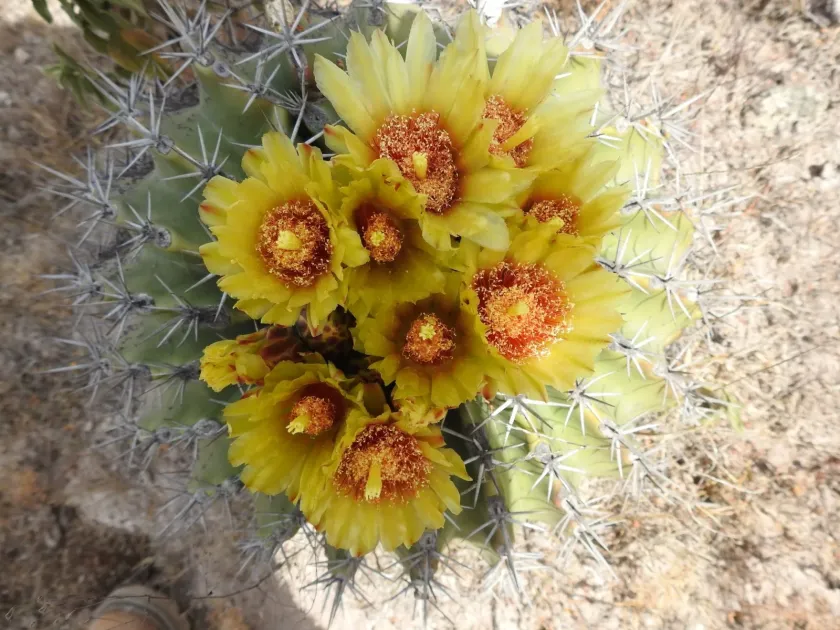
Ferocactus pottsii belongs to the family Cactaceae and is native to the arid regions of northern Mexico, particularly in the states of Chihuahua and Sonora. It is a slow-growing barrel cactus adapted to life in harsh desert environments, utilizing its thick, ribbed stem for efficient water storage.
The cultural requirements for this plant are centered on mimicking its natural desert habitat. Sunlight is the most critical factor; Ferocactus pottsii requires full, direct sun exposure for several hours daily to maintain its structural integrity and prevent stunted growth or etiolation.
Temperature management is essential for healthy development. During the active growing season in spring and summer, the plant thrives in temperatures ranging from 25°C to 35°C. It is highly heat-tolerant, provided that the root system is protected from extreme temperature spikes in small containers.
Soil composition must prioritize drainage over nutrient density. A professional cactus mix, consisting of 50% inorganic material like coarse sand, pumice, or crushed granite and 50% low-organic potting soil, is recommended to ensure that water drains quickly away from the roots.
Watering frequency should be guided by the "soak and dry" method. During the height of the summer, water thoroughly once the substrate has completely dried out. In the winter months, the plant enters a state of dormancy and should be kept almost completely dry to prevent rot.
Main diseases and pests
The most significant threat to Ferocactus pottsii is root rot caused by stagnant moisture. When the soil remains damp for too long, pathogenic fungi attack the root system, which can quickly lead to the collapse of the entire specimen if not addressed immediately.
Pest infestations including mealybugs and spider mites are common in indoor greenhouse conditions. These pests thrive in dry environments and can cause visible scarring on the cactus surface. Routine monitoring and the application of systemic pesticides help maintain plant health.