
Ferocactus pilosus
Ferocactus pilosus
Description
Sowing dates
The sowing of Ferocactus pilosus seeds is best performed during the spring season to take advantage of the lengthening daylight hours and stable warming temperatures.
A well-draining, mineral-based substrate is essential for germination, consisting of a mix of coarse sand, volcanic rock, and a minimal amount of organic matter.
Seeds should be spread evenly over the surface, covered with a fine layer of grit, and kept in a humid environment using a glass lid to maintain consistent moisture.
Maintaining a temperature range between 22 and 26 degrees Celsius is critical for high germination rates, with consistent heat provided during both day and night.
Once the seedlings develop their first tiny spines, they must be gradually acclimated to lower humidity levels to prevent fungal damping-off and promote strong growth.
Growing requirements
Ferocactus pilosus belongs to the Cactaceae family and is native to the dry, rocky highlands of Mexico, requiring high light intensity to thrive.
In a controlled environment, these cacti require full sun exposure, ideally placed in a south-facing location or under high-output LED supplemental lighting.
The soil must have excellent drainage properties; a mixture designed for cacti, with added perlite and pumice, is ideal for keeping the root system oxygenated.
Watering should be deep but infrequent; allow the growing medium to dry out completely between sessions to mimic the natural hydration cycles of its desert habitat.
Providing a distinct winter dormancy period with cooler temperatures and minimal water is essential for the health and potential future flowering of the plant.
Main diseases and pests
The primary threat to Ferocactus pilosus is excessive moisture in the root zone, which quickly leads to root rot and irreversible tissue damage in the plant's core.
Mealybugs are the most common pests that affect this species, often hiding deep within the areoles and under the dense spines, making them difficult to detect.
Spider mites may infest the plant if the air remains too hot and dry with lack of proper ventilation, leading to discolored, scarred patches on the epidermis.
Proactive management includes periodic checks of the growth points and applying organic-based pest control methods or systemic insecticides if infestations occur.
Maintaining good airflow around the plant is the best preventive measure against most common fungal pathogens that thrive in stagnant, humid environments.
Harvesting
Ferocactus pilosus is cultivated primarily for its aesthetic value in xeriscaping and as a highly sought-after specimen in private cactus collections.
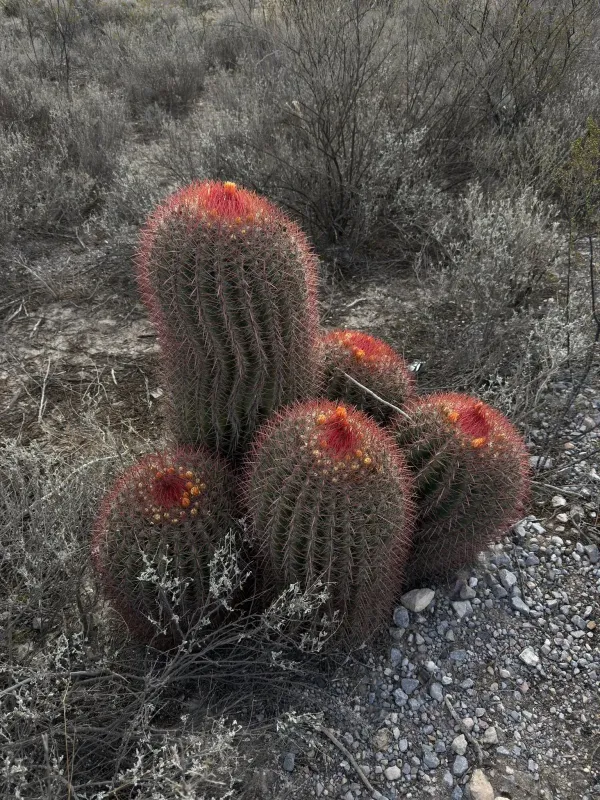
The plant is prized for its unique architectural form, featuring dense, vibrant spines and white hair-like fibers that give it its specific name and character.
Seed harvesting is a long-term goal, as the plant must reach maturity, which can take over a decade under standard greenhouse or indoor conditions.
Handling requires caution; the thick, hook-tipped spines are sharp and can easily puncture skin, necessitating the use of specialized tools during repotting or maintenance.
The culture of this species requires commitment, as it is a slow-growing plant that matures gradually, rewarding the grower with its impressive, robust presence over time.