
Ferocactus peninsulae
Ferocactus peninsulae
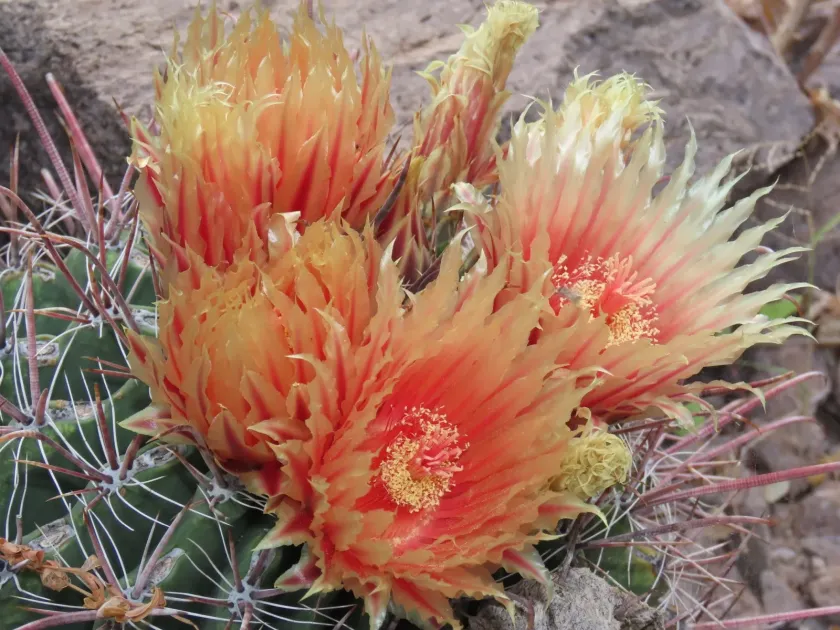
Description
Sowing dates
Sowing of Ferocactus peninsulae is best performed during the spring season when temperatures reach 20-25 degrees Celsius consistently. Seeds benefit from light scarification to facilitate germination due to their naturally hard seed coat.
A well-drained, gritty substrate consisting of sand, peat-free potting soil, and gravel is essential. Seeds should be sown on the surface and lightly covered with a thin layer of fine grit, followed by maintaining constant humidity.
Germination typically occurs within two to four weeks under stable conditions. Providing adequate light without direct scorching sun is critical for the healthy development of seedlings during the initial growth phase.
Seedlings should be pricked out and transplanted individually once they are sturdy enough to handle. Gentle watering during the early stages is necessary to avoid the damping-off disease common in cacti nurseries.
Propagation by seed is the preferred method to maintain the genetic integrity of this species belonging to the Cactaceae family, ensuring robust plants that adapt well to cultivated environments.
Growing requirements
Ferocactus peninsulae is a member of the Cactaceae family native to the arid environments of the Baja California Peninsula. It requires full, intense sunlight to maintain its characteristic dense spination and compact shape.
The soil requirements focus on rapid drainage and minimal organic matter. A mineral-rich substrate is vital, as the roots are highly susceptible to rot if kept in soggy or waterlogged soil for extended periods.
This species thrives in high temperatures during the summer but requires a distinct cooling period in winter. Keeping the substrate dry during the dormancy stage is essential for the plant's long-term survival.
Watering should be deep but infrequent during the growing season, allowing the substrate to dry out completely between applications. Use filtered or rainwater to prevent mineral buildup on the stem.
Balanced, low-nitrogen fertilizers formulated specifically for desert cacti help promote healthy growth without stimulating overly soft, vulnerable tissue. Application should be limited to the summer months only.
Main diseases and pests
Root rot is the primary threat to the crop, usually caused by overwatering or poor drainage. Once the roots are compromised, the plant often suffers irreversible tissue damage leading to death.
Red spider mites are frequent pests that thrive in the dry, hot conditions preferred by the cactus. They target the tender growing point and the skin between ribs, causing discoloration and scarring.
Mealybugs are another common threat, often settling in the deep crevices between the ribs of the cactus. Their presence slows down growth and creates entry points for secondary fungal infections.
Scale insects can occasionally infest the stems, appearing as hard, brown spots. These should be removed manually or treated with targeted systemic insecticides to ensure they do not spread across the collection.
Effective management involves consistent monitoring of the plant surface, ensuring excellent airflow, and keeping the growing environment clean and free from decaying organic matter that attracts pests.