
Ferocactus gracilis
Ferocactus gracilis
Description
Sowing dates
Seed propagation of Ferocactus gracilis requires strict adherence to temperature regimes, with spring or early summer being the optimal period. Seeds need a stable temperature range of 22–25 degrees Celsius for successful germination.
Before sowing, the substrate must be sterilized to eliminate pathogenic microflora that can destroy young sprouts. Seeds should be sown superficially in a light sandy mixture enriched with fine-grained peat.
Seedlings grow very slowly during their first year of life, necessitating diffused lighting to prevent scorching. Pricking out is performed no earlier than six months after germination, once the cactus has sufficiently strengthened.
In commercial cultivation, propagation is often achieved through rooting side offsets if the mother plant is prone to clustering. The cut surface must be air-dried for several days until a callus forms to prevent rotting.
Using specialized phytohormones to speed up root development for offsets is recommended. Planting is done in dry substrate, with the first watering carried out one to two weeks after the cuttings are set in place.
Growing requirements
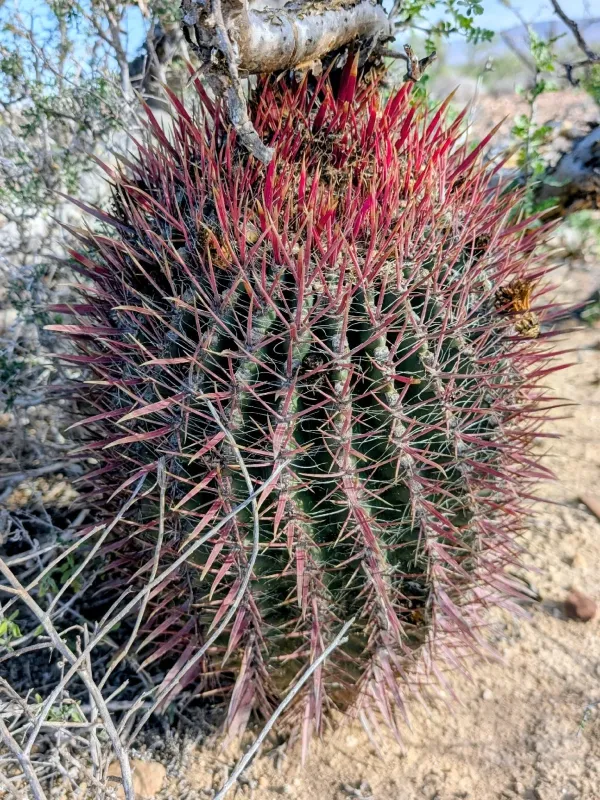
Ferocactus gracilis belongs to the Cactaceae family and naturally inhabits the rocky soils of Baja California. The plant is characterized by a massive cylindrical stem and prominent, often colorful, spines.
The species is extremely demanding regarding intense solar radiation; without it, normal spine development and the maintenance of the natural stem shape are impossible. In greenhouse conditions, supplemental lighting is required during the autumn-winter period.
High standards for drainage are essential: the substrate must contain up to 50% coarse sand or gravel. Excessive moisture quickly leads to the decay of the root system, which is a major cause of plant loss.
The temperature optimum during the growing season is 25–35 degrees Celsius, while the cactus benefits from lower nighttime temperatures to support metabolism. During winter, the plant enters a dormant state at 10–12 degrees Celsius.
Watering should be infrequent but thorough during the hottest months, ensuring that water does not remain on the stem. Adequate air circulation is necessary to prevent moisture stagnation in the root zone.
Main diseases and pests
The primary threats to Ferocactus gracilis are various types of rot caused by improper watering and inadequate drainage. Fungal infections spread rapidly through plant tissues, causing the cactus to lose its structure.
Spider mites are common pests that leave fine webbing and discolored patches on the skin of the cactus. These damaged areas serve as entry points for secondary bacterial or fungal infections.
Mealybugs can infest both the root system and the folds between the ribs, sucking plant sap and significantly stunting growth. Systemic insecticides applied via irrigation are effective in controlling these pests.
Poor ventilation in greenhouses may lead to scale insect infestations, where insects attach firmly to spines and stems. Removal is usually conducted mechanically using a cotton swab soaked in an alcohol solution.
Proactive disease prevention includes the regular disinfection of tools and the use of only sterile, pathogen-free soil. If rot is suspected, the plant should be immediately removed from the container for a thorough root inspection.