
Ferocactus glaucescens
Ferocactus glaucescens
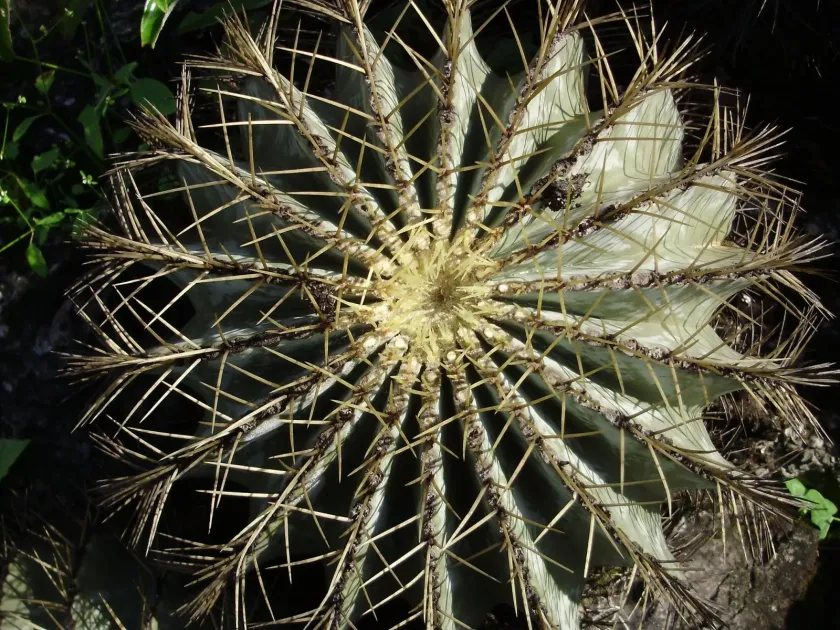
Description
Sowing dates
Sowing seeds of Ferocactus glaucescens should be performed during the spring months when natural light levels increase. Optimal germination occurs at temperatures between 22 and 26 degrees Celsius, ensuring a uniform emergence of seedlings.
The growing medium must be highly porous and sterile, consisting of a mix of fine gravel, perlite, and a small portion of loam. Sterilization of the soil prior to sowing is essential to prevent common fungal outbreaks in juvenile plants.
Seeds are sown on the surface and lightly covered with a thin layer of sand. High humidity must be maintained using a plastic cover or glass lid until the seeds have sprouted and established their first small spines.
Gradual acclimatization to lower humidity levels is required once the seedlings reach a visible size. Sudden exposure to dry air can lead to dehydration and stunted growth in young barrel cacti.
Pricking out or transplanting the seedlings into individual small pots should be done when they are large enough to handle, typically after 6 to 12 months, depending on the growing conditions.
Growing requirements
Ferocactus glaucescens, belonging to the Cactaceae family, originates from the limestone regions of Mexico. It is a slow-growing, spherical plant known for its distinct glaucous blue-green epidermis and robust yellow spines.
This species requires full sun exposure to maintain its characteristic shape and bloom effectively. If grown indoors, it should be placed in the brightest available location, preferably a south-facing window, to prevent etiolation.
The soil must provide excellent drainage to ensure the root system is never waterlogged. A substrate designed specifically for cacti, supplemented with crushed granite or pumice, is ideal for the structural health of the plant.
Watering practices should follow a wet-dry cycle, where the substrate is allowed to dry out completely before the next irrigation. During the winter dormant phase, water should be withheld almost entirely to simulate natural desert conditions.
Proper airflow is crucial for this succulent to prevent fungal growth. It thrives in well-ventilated environments and is quite resilient to the high daytime temperatures and cool nights typical of its native habitat.
Main diseases and pests
Root rot is the most significant threat to Ferocactus glaucescens, often caused by poor drainage or excessive watering during the cooler winter months. The signs include darkening of the tissue at the base of the plant.
Mealybugs and spider mites are common pests that target the areoles of the cactus. These pests can cause significant surface damage, which disfigures the plant and can serve as entry points for secondary infections.
Treatment involves the use of systemic insecticides or targeted applications of isopropyl alcohol for mild infestations. Regular monitoring is the most effective way to prevent these pests from spreading throughout a collection.
Preventing diseases relies on cultural practices such as ensuring the neck of the cactus remains dry and maintaining a hygienic growing area. Avoid splashing water directly onto the skin of the plant during routine maintenance.
If rot is identified early, a surgical removal of the affected tissue followed by dusting the wound with sulfur powder or a fungicide can occasionally save the plant, provided it is kept in a dry, warm environment afterward.