
Ferocactus flavovirens
Ferocactus flavovirens
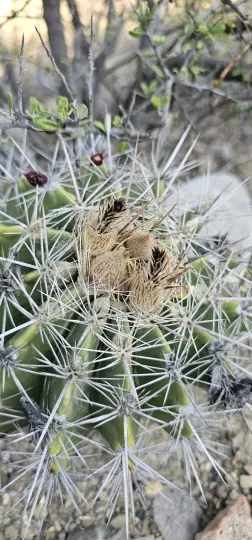
Description
Sowing dates
Sowing Ferocactus flavovirens seeds is best performed during the spring months, as the increasing light duration significantly boosts germination rates.
Use a sterile, well-draining substrate composed primarily of coarse sand, perlite, and a small amount of fine peat to maintain a slightly acidic environment.
Maintain temperatures consistently between 22 and 26 degrees Celsius and ensure that the sowing medium remains slightly damp but never waterlogged.
Cover the containers with clear plastic to retain humidity; once germination occurs, gradually acclimatize the seedlings to lower humidity levels.
Proper seedling care requires patience, as young plants take several months to develop their characteristic shape and begin forming the protective spines.
Growing requirements
Ferocactus flavovirens is a member of the Cactaceae family, native to the arid environments of Mexico, particularly thriving in rocky, high-light areas.
This species requires full, direct sun exposure for the majority of the day to maintain its natural, dense, and vibrant spine coloration.
The soil must be a specialized cactus mix that allows for extremely rapid water drainage, preventing the roots from sitting in damp conditions.
Watering should be deep but infrequent during the growing season, following the soak-and-dry method to replicate the plant's natural rainfall cycle.
During winter dormancy, the plant must be kept dry and cool, with temperatures ideally between 8 and 12 degrees Celsius, to ensure future growth cycles.
Main diseases and pests
Root rot is the most common threat to this species, usually caused by improper soil aeration or overwatering during the cooler months of the year.
Mealybugs and spider mites are frequent pests, often hiding in the deep grooves between the cactus ribs where they are protected from environmental exposure.
Regular inspection is critical; if pests are detected, apply targeted treatments such as isopropyl alcohol or specific horticultural oils to affected areas.
To prevent fungal infections, ensure that there is a constant flow of fresh air around the plant, especially in high-humidity greenhouse environments.
Avoid any moisture buildup on the skin of the plant, as stagnant water droplets under direct sunlight can cause localized burning and tissue death.