
Ferocactus emoryi
Ferocactus emoryi
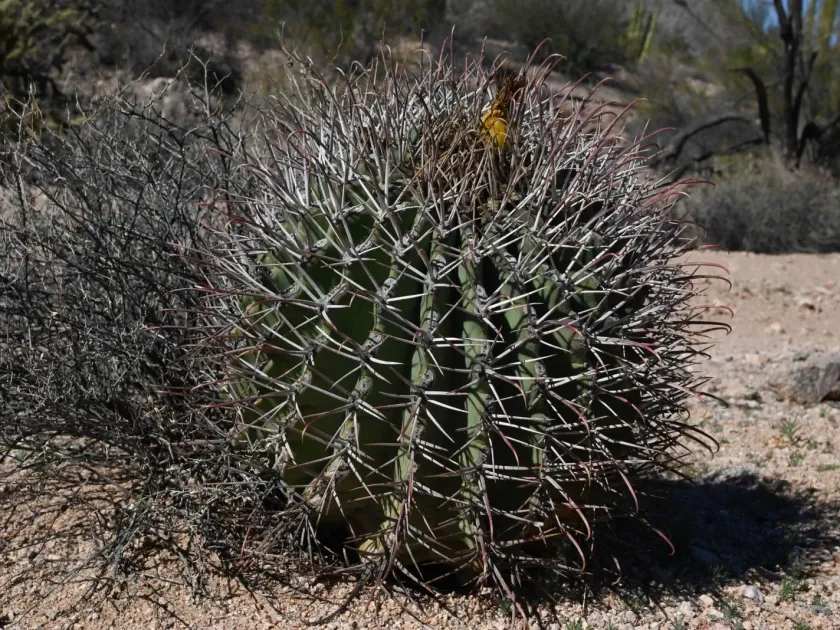
Description
Sowing dates
Seed propagation of Ferocactus emoryi is best performed in early spring. The ideal temperature range for successful germination is between +22°C and +25°C.
Use a sterile, well-draining substrate composed of sand and loam. Proper drainage is crucial to prevent fungal infections that commonly affect seedlings.
Sow seeds on the surface and press them lightly into the moist soil. Cover the container with clear glass or film to maintain high humidity during the initial germination phase.
Once seedlings emerge, introduce fresh air daily to prevent dampening off. Consistent light exposure is required immediately after germination to ensure sturdy growth.
Pricking out the seedlings should be done carefully after the first set of spines develops. This practice encourages the development of a robust and healthy root system.
Growing requirements
Ferocactus emoryi is a desert native belonging to the Cactaceae family. It requires intense, direct sunlight for the majority of the day to maintain its natural form.
The soil must be extremely porous. A specialized cactus mix incorporating volcanic rock, coarse grit, or pumice is essential for optimal root development and gas exchange.
Watering should be deep but infrequent during the growing season. Allow the soil to dry out completely between waterings to simulate the natural desert environment.
Winter dormancy requires a drastic reduction in watering and cooler temperatures, ideally around +10°C to +12°C. Keep the plants dry during this period to prevent rot.
Good ventilation is vital for all cacti. High-quality air circulation prevents moisture buildup on the plant surface, significantly reducing the risk of bacterial spots.
Main diseases and pests
Mealybugs are a common pest that hides between the ribs of the cactus. They should be managed using targeted systemic insecticides or direct treatment with alcohol solutions.
Spider mites can become an issue in low-humidity environments. They cause stippling on the skin, which can lead to unsightly corking over time if left untreated.
Root rot is the most common cause of plant death. It is almost always associated with poor drainage or overwatering, necessitating immediate repotting and soil sterilization.
Fungal infections can occur if the cactus is kept in a stagnant, humid atmosphere. Improving air flow is the primary preventative measure for most crown and root diseases.
Etiolation is a physiological issue caused by insufficient light. It results in a pale, weak, and elongated stem, which renders the plant susceptible to secondary infections.
Harvesting
Ferocactus emoryi is primarily cultivated for ornamental purposes rather than agricultural consumption. It is a prized specimen for arid garden landscapes and private collections.
Seed harvesting is performed manually once the succulent fruits, which grow at the apex of the stem, reach full maturity and begin to dry out.
To ensure genetic health, cross-pollination between separate individuals of the same species is recommended during the flowering season to produce viable seeds.
Container cultivation is the standard method for this species. It is a slow-growing cactus that requires minimal maintenance once established in the correct soil mix.
Professional growers focus on developing strong spine color and symmetric growth, which are the main indicators of quality for this ornamental succulent plant.