
Ferocactus echidne
Ferocactus echidne
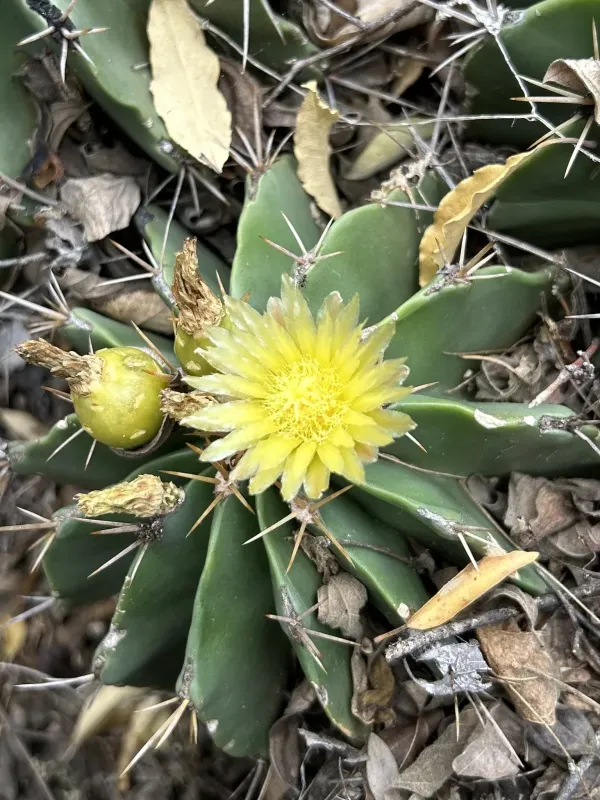
Description
Sowing dates
Sowing Ferocactus echidne seeds is best performed during the early spring months when light levels increase, providing the necessary energy for young seedlings.
Use a well-draining, sterile substrate consisting of fine grit and peat. Ensure the containers have adequate drainage holes to prevent standing water at the base.
Seeds should be placed on the surface of the moist medium and lightly covered with a thin layer of fine sand to maintain moisture while allowing light penetration.
Keep the sowing tray in a warm location with temperatures between 22 and 25 degrees Celsius to stimulate uniform germination within several weeks.
Once germinated, gradually introduce fresh air by removing the cover to harden off the seedlings, which are quite sensitive to humidity levels at this stage.
Growing requirements
Ferocactus echidne is a member of the Cactaceae family, natively inhabiting the arid landscapes of Central Mexico, where it grows in full sun exposure.
This species requires high light intensity to maintain its characteristic globe shape and to promote the development of its distinct, sharp spines.
The potting mix must be highly porous. A mixture of pumice, coarse sand, and a small amount of potting soil is ideal for mimicking its natural rocky habitat.
During the dormant winter season, keep the plant completely dry at temperatures between 10 and 15 degrees Celsius to prevent etiolation and stress.
Watering during the growing season should be thorough but infrequent, allowing the substrate to dry out entirely before the next watering session.
Main diseases and pests
Overwatering is the primary cause of failure in Ferocactus cultivation, often resulting in root rot that quickly spreads upwards into the stem tissues.
Red spider mites are the most common pests, thriving in dry, stagnant air conditions and sucking sap from the epidermis, leaving pale patches behind.
Mealybugs can infest the succulent, hiding in the crevices between the ribs where they are difficult to reach with standard contact sprays.
Scale insects may also attach themselves to the surface of the cactus, appearing as small brown crusts that should be removed manually or treated with systemic pesticides.
Good ventilation is essential to discourage fungal pathogens and to keep the surface of the cactus dry, especially during the humid summer months.