
Ferocactus diguetii
Ferocactus diguetii
Description
Sowing dates
Sowing seeds of Ferocactus diguetii is best performed in early spring when daylight hours increase significantly. The optimal germination temperature ranges from 22°C to 25°C.
A well-draining, mineral-based substrate is essential for seed starting. Mixes containing perlite, pumice, and sterile volcanic grit provide the aeration required for healthy development.
Seedlings need to be kept in a humid environment initially, protected by a transparent cover to maintain consistent moisture. Gradual hardening off begins once the plants develop their first spines.
Transplanting (pricking out) should be avoided until the seedlings reach a robust size to prevent unnecessary root disturbance. Using sharp, sterile instruments is vital for long-term health.
Growth is notably slow, requiring patience from the grower. Young plants should be kept away from direct, harsh sun until they are established enough to handle intense radiation.
Growing requirements
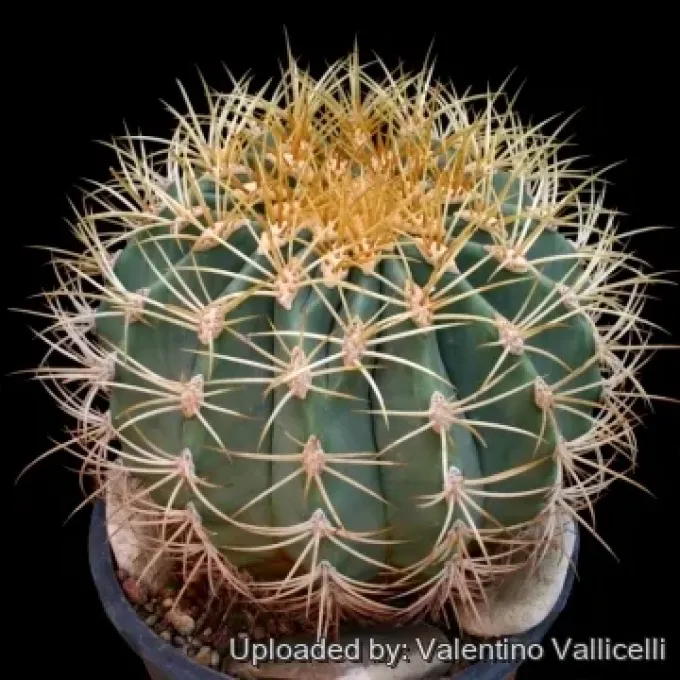
Ferocactus diguetii, a member of the Cactaceae family, is a massive, barrel-shaped cactus native to the Gulf of California islands in Mexico. It is recognized as one of the largest species within the Ferocactus genus.
The cultivation requires extremely high light intensity. To maintain its natural, dense spination and compact shape, this species needs direct sunlight for most of the day throughout the growing season.
Soil requirements focus on extreme porosity and inorganic composition. A mixture of gravel, sand, and small amounts of organic humus is ideal, provided it allows water to pass through almost instantly.
Climate needs involve high heat during the summer months and a mandatory, cool, and completely dry dormant phase during winter. This rest period is essential to prevent etiolation and promote future health.
Watering must be very sparse. During the active growing period, the substrate should dry out completely between waterings, and in winter, the plant should remain almost entirely dry.
Main diseases and pests
Root rot is the primary physiological threat to Ferocactus diguetii. It is almost exclusively caused by overwatering or using soil mixtures that retain moisture for too long, leading to systemic infection.
Mealybugs represent the most persistent pest, often colonizing the areas between ribs and at the base of spines. Their presence can severely weaken the plant and introduce viral or fungal issues.
Spider mites can be problematic in hot, arid conditions with poor airflow. These pests pierce the epidermis, leaving unsightly corky scars that remain on the cactus throughout its life.
- Root rot (caused by fungal pathogens)
- Mealybugs (hidden in spine clusters)
- Spider mites (in low humidity)
- Stem rot (if water sits in the crown)
Integrated pest management and regular inspection are the best defense strategies. Keeping the greenhouse or growing area well-ventilated reduces the risk of most common cactus ailments.